Setting
- Indoor
- Active Participation
- Group Activity
Pottery Course


Pottery Course
Dive into the enchanting world of pottery with our comprehensive guide to pottery courses! Whether you're a complete beginner or an experienced artist looking to hone advanced techniques, there's something magical about…
Mountain Lodge Adventures
Guided outdoor programs and seasonal events. Book sessions that fit your schedule.
Urban Fit Studio
Small-group training with flexible booking. Try a class or join as a member.


CrossFit

Yoga

Hyrox

Boxing

Swimming
A pottery course is an immersive experience where you learn the art of shaping and molding clay into beautiful and functional objects. These courses can range from pottery classes for beginners to advanced pottery classes, depending on your skill level. Typically, a pottery course covers various techniques such as hand-building, wheel-throwing, and glazing. Participants also dive into the intricacies of ceramic art, understanding the properties of different clays and finishes. A pottery course can be a one-day workshop or a series of classes spread over weeks, offered by local pottery workshops and studios. Whether you're interested in pottery classes for adults or looking for pottery classes for kids, you'll find courses that cater to all age groups and interests.
When starting a pottery class, you'll need a few essential materials. Most pottery courses provide basic tools and clay, but it's good to have your own set for practice. The primary material is clay; you can choose from various types like earthenware, stoneware, or porcelain. Basic pottery class materials include a pottery wheel for beginners if you're learning wheel-throwing, carving tools, sponges, and aprons to keep clean. You might also use a rolling pin and cutting wire during hand-building projects. For glazing and finishing, brushes, glazes, and kiln access are necessary. If you're looking to invest more, consider getting the best pottery wheel for beginners and a personal toolkit. Most local pottery workshops will provide a comprehensive list of what you need beforehand, so you're well-prepared.
Absolutely! Pottery classes for beginners are designed to be friendly and accessible. These classes introduce basic techniques like hand-building and wheel-throwing at a comfortable pace. Instructors provide step-by-step pottery tutorials and hands-on guidance so you can learn and practice new skills effectively. Whether you're an adult trying a new hobby or looking for pottery classes for kids, there are specialized sessions tailored to each age group and skill level. Beginner ceramics classes often require no prior experience and focus on making simple, enjoyable projects like mugs, bowls, and small sculptures. The key is to have fun while exploring your creativity through clay. Many local pottery workshops offer pottery making classes near me that cater specifically to novices.
The time it takes to learn pottery varies depending on the individual and the complexity of the techniques you want to master. For basic skills like hand-building, a few weeks of regular classes can get you comfortable with the fundamentals. If you're interested in wheel-throwing, it might take a bit longer to feel confident, as pottery wheel techniques can be tricky at first. Advanced pottery classes delve deeper into more intricate skills and can take several months or even years to perfect. Interactive pottery sessions and continuous practice play a huge role in proficiency. Everyone's learning curve is different, so it's essential to be patient and enjoy the process. Local pottery workshops often offer flexible courses, so you can learn at your own pace.
Yes, you can definitely take pottery classes online! Many platforms offer pottery tutorials and ceramic crafting classes that you can follow from the comfort of your own home. These online courses are perfect if you can't find local pottery workshops nearby or have a busy schedule. They typically provide video instructions, step-by-step guides, and materials lists. You can also join live, interactive pottery sessions where an instructor can give you real-time feedback. While nothing replaces the hands-on guidance of an in-person class, online pottery courses are a fantastic alternative for beginners and advanced learners alike. Look for courses that suit your skill level, whether you're just starting out with beginners pottery classes or seeking more advanced techniques.
Taking a pottery class offers numerous benefits beyond just learning a new skill. First, it's a fantastic way to unleash your creativity and make something tangible with your hands. Pottery also serves as a great stress-reliever, providing a therapeutic outlet for expressing emotions and relaxing the mind. Engaging in ceramics classes can enhance your focus and patience, as it requires careful attention to detail. Socially, pottery classes for adults and kids offer a chance to meet like-minded people and be part of a creative community. Additionally, honing your skills through pottery making tips and tutorials can lead to a sense of accomplishment as you see your creations come to life. Whether you're interested in pottery wheel techniques or hand-building, there's something deeply satisfying about transforming a lump of clay into a beautiful work of art.
The cost of pottery classes can vary widely depending on the location, duration, and complexity of the course. Beginners pottery classes near me typically range from $20 to $60 per session, while longer, more advanced pottery courses might be priced higher. You can often find pottery class discounts and package deals that make multiple sessions more affordable. Local pottery workshops might also offer sliding scale pricing or community rates to make classes accessible to everyone. For a one-day pottery class, expect to pay anywhere from $50 to $150, which usually includes the use of pottery class materials. If you're considering pottery classes for kids, prices can be slightly lower, making it a great family-friendly activity. Always check what's included in the cost to ensure you're getting the best value for your money.
When attending a pottery class, it's best to wear comfortable, old clothes that you don't mind getting dirty. Pottery can be a messy activity, with clay and glaze splattering as you work on your creations. Long sleeves are okay but avoid anything too loose that might get caught in the pottery wheel. Closed-toe shoes are a must to protect your feet from falling tools or clay lumps. An apron can help keep your clothes clean, and some studios provide them as part of their pottery courses. Avoid wearing jewelry, especially rings, as they can interfere with wheel-throwing or hand-building techniques. If you have long hair, tie it back to keep it out of the way. Always check with your local pottery workshops if they have any specific dress code for their classes.
Choosing the right pottery class for your skill level involves considering your experience and what you hope to achieve. If you're new to pottery, look for pottery classes for beginners, which focus on foundational skills and basic projects. For those with some experience, intermediate pottery courses offer more complex techniques and allow you to refine your skills. Advanced pottery classes are perfect for those aiming to master intricate designs and advanced pottery techniques. Read course descriptions carefully to understand what is covered and the expected skill level. It's also helpful to check reviews or ask for recommendations from others who have taken similar pottery lessons near me. Ultimately, the best class will match your current abilities while challenging you to grow.
A pottery course typically covers a variety of techniques depending on the level and focus of the class. Beginners will learn essential skills like wedging, pinching, coiling, and slab building. These hand-building techniques are foundational for creating basic shapes and structures. If your course includes wheel-throwing, you'll get hands-on experience with a pottery wheel for beginners, learning to center, pull, and shape the clay into cylinders and bowls. More advanced pottery classes introduce intricate techniques such as slip trailing, sgraffito, and complex glazing methods. You might also explore specific pottery wheel techniques and pottery making tips to improve your craft. Each pottery course offers a unique blend of skills to help you grow as a ceramic artist, whether in initial ceramics classes or advanced ceramic art workshops.
Finding the best pottery course near me is easier than ever with our experience platform. We provide a unique place where you can find top-rated pottery class providers near you. Our platform offers access to experiences from all over the world, ensuring you can discover the perfect class no matter where you are. You can get in touch with our selected experience providers for free, with no registration required to access their contact information. Once you've tried a class, you can rate the experience and share it with friends to help them decide if they'd like to join you. Whether you're looking for beginners pottery classes near me or advanced pottery courses, our platform helps you find the best options that cater to your needs and interests.
Yes, pottery is generally safe for children to learn, provided appropriate precautions are taken. Pottery classes for kids are specially designed to be age-appropriate and safe, with instructors guiding them through every step. It helps develop their fine motor skills, patience, and creativity. Children are typically introduced to hand-building techniques first, as they're easier and safer than using a pottery wheel. However, with proper supervision, older kids can also learn basic pottery wheel techniques. Ensuring a safe environment with non-toxic clays and glazes is crucial. Always check with your local pottery workshops about their safety policies and materials used in ceramics classes. Kids will have a blast creating their own pieces in these fun and educational sessions.
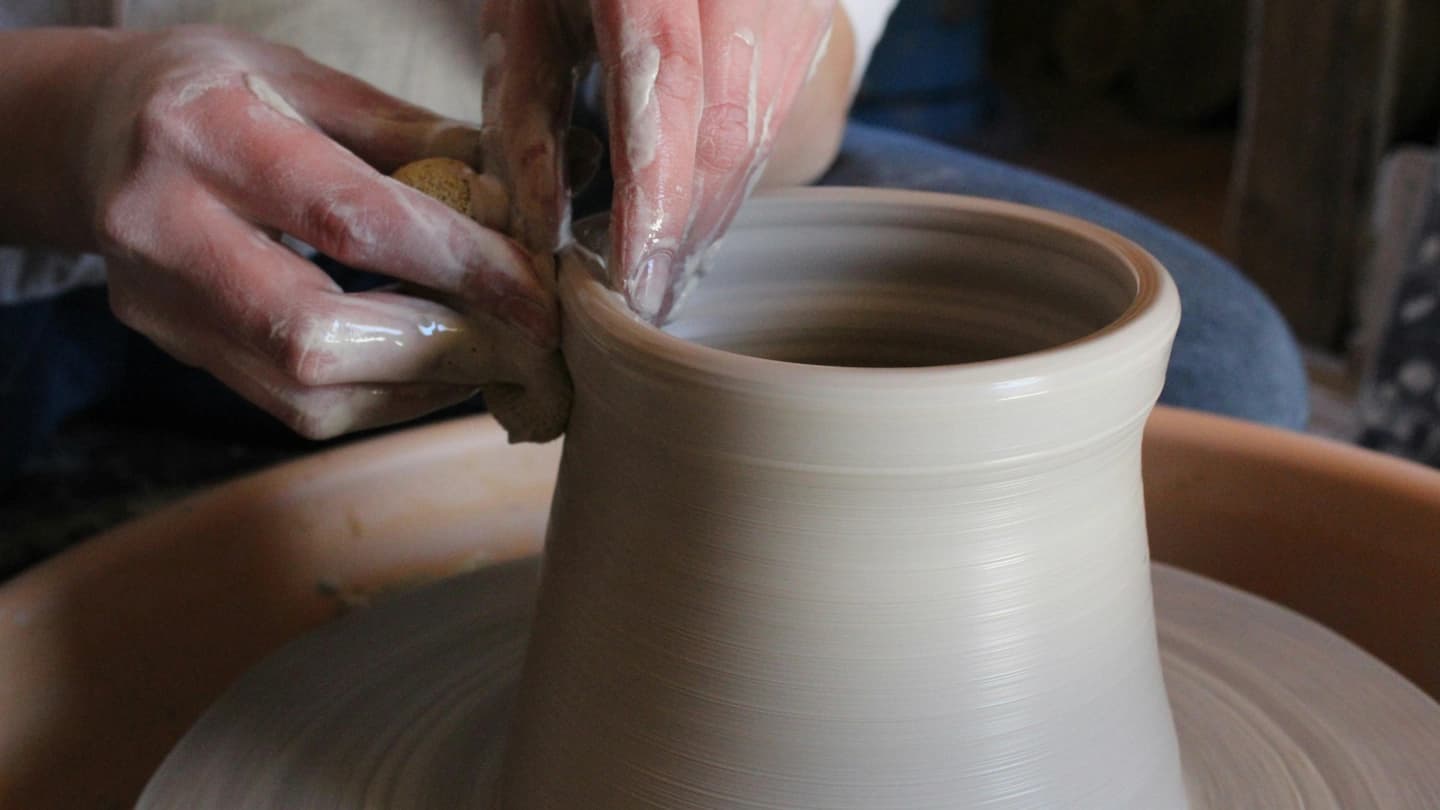
Hand-building and wheel-throwing are two primary pottery techniques, each offering unique ways to create ceramics. Hand-building involves molding clay directly with your hands and simple tools. Techniques like pinching, coiling, and slab building are part of hand-building, making it ideal for beginners and sculptural works. It's a flexible, accessible method that doesn't require special equipment beyond basic pottery class materials. On the other hand, wheel-throwing uses a pottery wheel to shape clay. This technique, often highlighted in pottery wheel tutorials, involves centering a ball of clay on a spinning wheel and shaping it with your hands as it rotates. Wheel-throwing allows for creating symmetrical forms like bowls, cups, and vases more efficiently. Both methods are valuable, and many pottery courses teach a combination to provide a well-rounded ceramic crafting experience.
It depends on the pottery class and its provisions. Many local pottery workshops and ceramic art workshops supply basic tools and clay as part of the course fee, especially in beginner ceramics classes. However, if you're taking pottery lessons regularly or progressing to an advanced level, having your own set of tools can be beneficial. Essential pottery class materials you might consider include a basic toolkit with items like a needle tool, wire cutter, sponge, ribs, and trimming tools. Some potters recommend investing in the best pottery wheel for beginners if you're serious about wheel-throwing. It's always a good idea to check with your class instructor before purchasing anything. Often, starting with the studio's tools gives you a feel for what you might want to buy later.
As you advance in your pottery journey, there are numerous sophisticated techniques to explore. One exciting method is slip trailing, where you apply liquid clay (slip) to the surface of a pot to create intricate designs. Another advanced technique is sgraffito, which involves scratching through a layer of colored slip to reveal the clay body underneath, creating detailed patterns. Glazing techniques, such as layering different glazes and using specialized finishes like crystalline or Raku, can dramatically alter the appearance of your pieces. Mastering pottery wheel techniques like throwing larger forms, assembling multi-piece constructions, and creating fine, thin-walled objects are also part of advanced learning. Participating in advanced pottery classes or a ceramic art workshop can provide hands-on experience with these techniques, helping you to refine your skills and push creative boundaries.