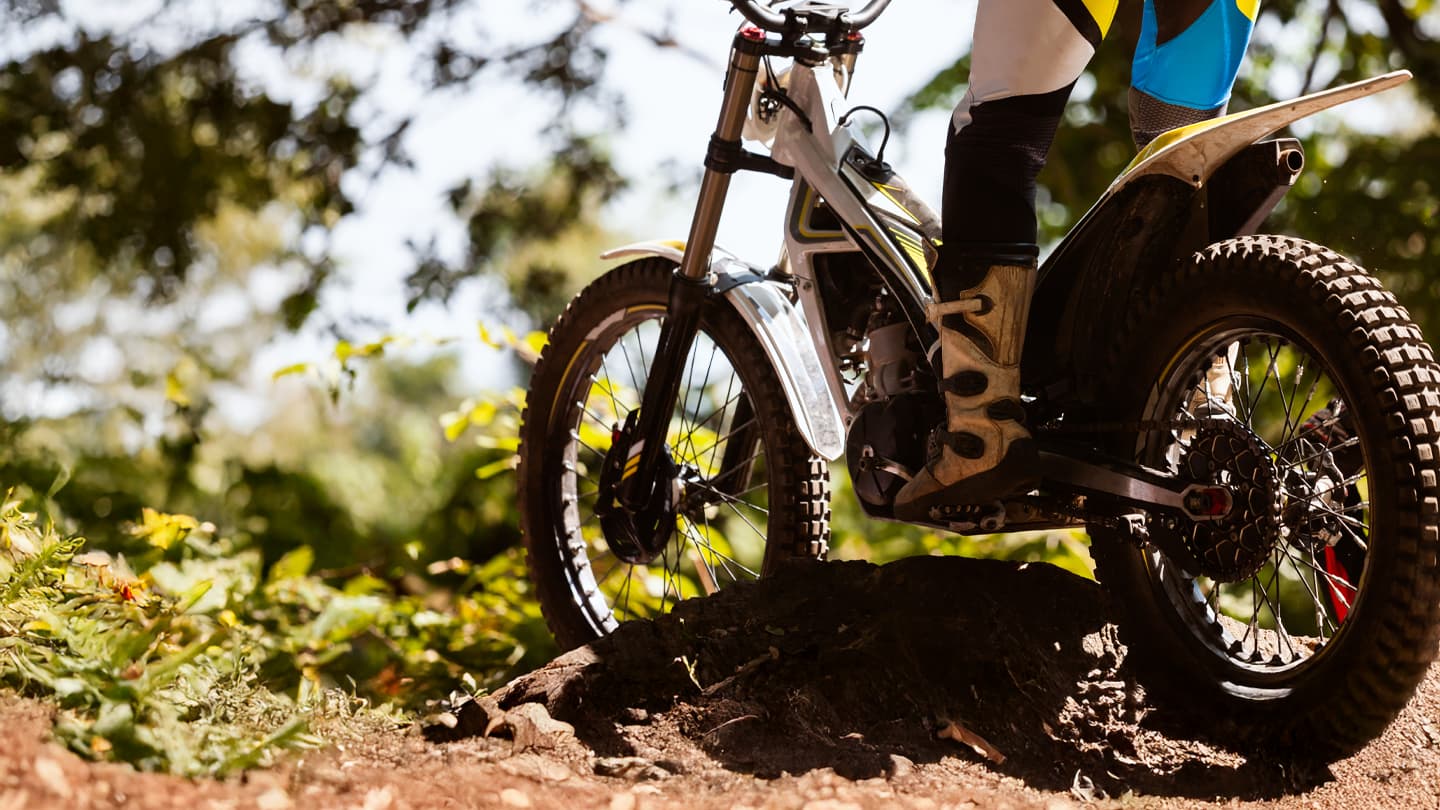
What to Expect
- Get introduced to the course format and your starting skill level
- Practice core riding skills like control, braking, and maneuvering
- Wrap up with a stronger sense of your riding ability and progress


Present your offering to exactly the people searching for it. Inquire easily, generate more bookings and grow. Get started as a provider now!
Help us discover the best providers. Your recommendation brings new highlights to the platform. Show us who we can't miss!
Motorcycle training gives you a structured way to build the skills that make riding feel natural instead of overwhelming. Instead of guessing your way through balance, braking, and turns, you get a clear format designed to help you progress step by step. Whether you're picking up a motorcycle for the first time or want to sharpen skills you already have, this kind of training turns a big goal into something manageable.
Learning to ride a motorcycle is as much about mindset as it is about physical skill. Many new riders feel a mix of excitement and nerves, and that's completely normal. A structured riding course is built to work through that gradually, so you can focus on one skill at a time rather than feeling like you need to master everything at once.
Motorcycle training can suit a wide range of people. Some are complete beginners working toward a motorcycle license for the first time. Others already ride but want to revisit fundamentals, tighten up their control, or feel more comfortable before riding in traffic. If you've been curious about riding but never had a proper introduction, this kind of course offers a low-pressure way to find out whether it's for you.
It can also appeal to riders who learned informally and want to fill in gaps, or anyone who simply wants a refresher after time away from riding. There's no single type of person this fits best; motivation and willingness to learn matter more than experience level.
Most motorcycle training formats move through a logical sequence: starting with the basics of handling and control, then building toward more dynamic riding skills like braking, cornering, and maneuvering at different speeds. Instruction is typically hands-on, with an emphasis on repetition so skills become second nature rather than something you have to think through in the moment.
Expect a learning curve that rewards patience. Riding a motorcycle well is a skill built through practice, not something absorbed instantly. A good training format respects that pace and gives you room to improve gradually rather than rushing you into advanced maneuvers.
When comparing motorcycle training options, think about where you currently stand. If you're brand new to riding, look for training designed for first-timers that starts with the fundamentals. If you already have some riding experience, a course with a stronger focus on street riding practice or advanced handling might be a better match for your goals.
It's also worth thinking about your motivation. Are you working toward a motorcycle license, building skills for everyday commuting, or simply exploring a new interest? Being clear on your goal can help you pick the training style that fits best.
Before booking, check the listing details for information on class format, group size, duration, and what's included, since these can vary between programs. It's also worth checking whether the training is structured for a specific skill level, and whether any licensing or certification pathway is connected to the course.
Learning to ride well from the start can make a real difference in how confident and comfortable you feel once you're on the road. Structured motorcycle training gives you a framework to build skills methodically, rather than piecing things together on your own. Whether your goal is a license, better street awareness, or simply more comfort in the saddle, investing time in proper training is a practical step toward becoming a more capable rider.
Motorcycle training can suit complete beginners as well as riders who already have some experience and want to refresh their skills. Check the course details to see which skill level the specific training is designed for.
Many motorcycle training courses are designed with beginners in mind, while others focus on riders with some experience. Check the booking details to see whether the course assumes any prior riding background.
Training typically works through core riding skills such as balance, control, braking, and maneuvering, building gradually toward more confident handling. Check the listing for a fuller picture of what the specific course covers.
Some motorcycle training courses connect to a licensing pathway, while others focus purely on skill-building. Check the course details to see whether this training links to any license or certification process.
Before booking, it helps to check the skill level the course is designed for, the format and duration, group size, and whether any equipment or preparation is expected. This can help you choose a course that matches your goals.
A structured training format can offer a calmer, step-by-step way to get comfortable with riding rather than learning informally. Check the course description to see how it's structured for those starting from scratch.
Yes, many riders use training courses to sharpen existing skills, refresh fundamentals, or build confidence in areas like street riding practice. Check the listing to see if the course is suited to more experienced riders.
You can use the platform's location filters to browse motorcycle training options in your area. Check individual listings for details on where each course takes place and what it includes.
Motorcycle training can be a meaningful gift for someone interested in learning to ride or building their skills further. Check the booking details to see if gifting or voucher options are available for this listing.
Many training courses are built specifically for first-time riders, starting with the basics before progressing further. Check the course details to confirm it's suitable for someone with no prior riding experience.