What to Expect
- Get introduced to key gardening concepts and tools
- Practice hands-on techniques like planting and soil care
- Leave with practical steps to apply in your own garden
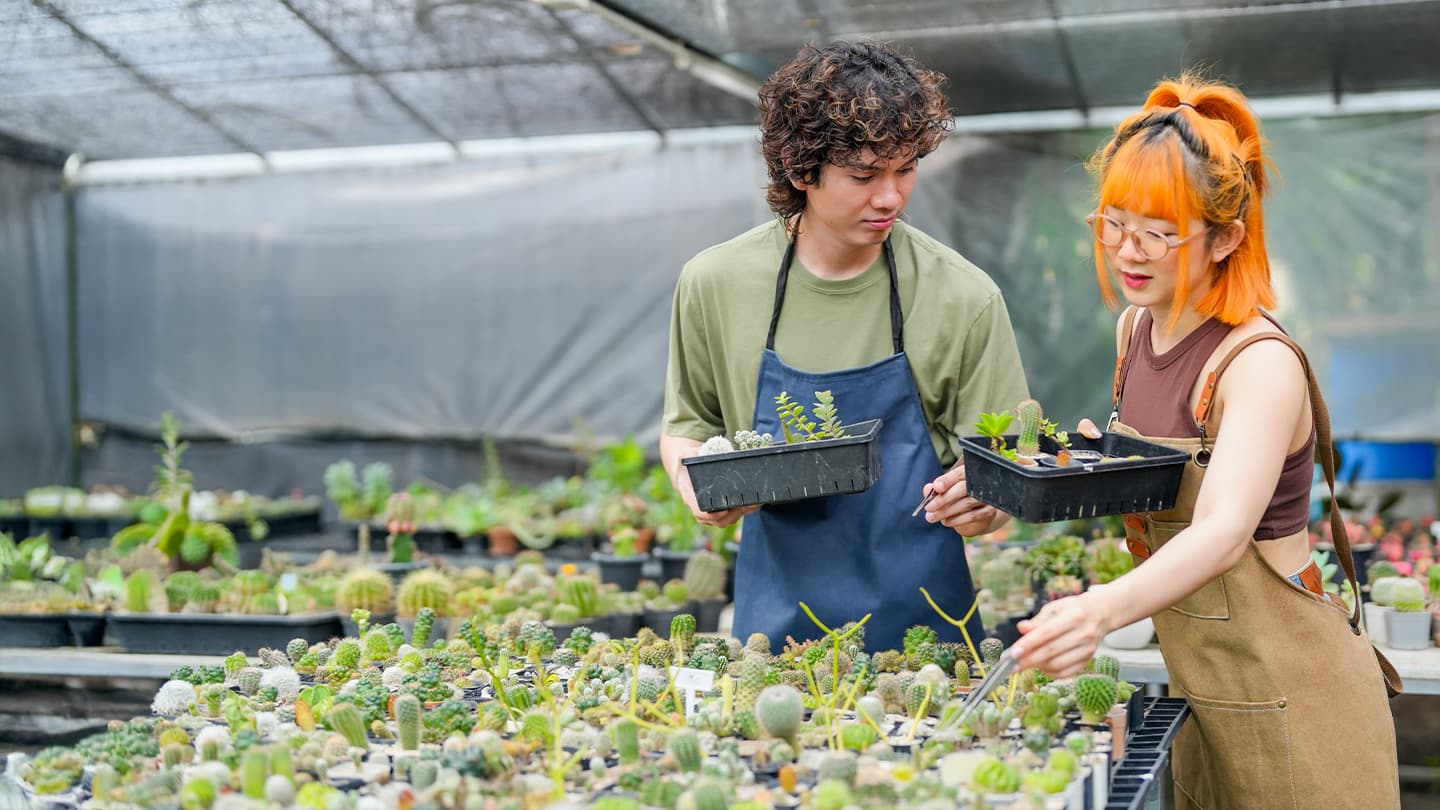
A gardening class helps you turn scattered curiosity into practical skill. Instead of guessing which plants need what, or why last season's tomatoes never quite worked out, you get a structured way to learn the basics and build on them. This kind of class is less about theory and more about the kind of knowledge you can actually use the next time you're outside with a trowel in hand.
Whether you're drawn to a gardening workshop because you want to grow your own vegetables, or you're simply looking to learn to garden without the trial and error, the appeal is the same: you get guidance, structure, and a chance to practice. For anyone searching for a gardening course that actually explains the why behind the how, this format offers a clear starting point.
A beginner gardening class is a natural fit for anyone just starting out, but it's not only for total beginners. People who've gardened casually for years sometimes join to fill in gaps, refresh their technique, or get feedback on habits they've picked up along the way. Others come because they've just moved somewhere with outdoor space for the first time, or because they want a slower, more grounded weekend activity that still feels productive.
If you're wondering what to expect in a gardening class, it generally combines explanation with hands-on practice, so you're not just listening but actually applying what you learn. That mix tends to make the material stick more than reading alone ever could.
Most gardening classes cover core fundamentals such as soil basics, plant care, watering habits, and seasonal timing. A vegetable gardening class in particular often focuses on what makes edible plants thrive, from spacing to sunlight needs. The exact content can vary depending on the format and focus, so it's worth checking the listing details to see whether the class leans toward ornamental plants, vegetables, or general gardening skills.
If you've been curious about plant classes but never quite committed, think about what you actually want to walk away with. Are you hoping to start a vegetable patch, keep houseplants alive, or simply understand your garden better? Matching your goal to the class description can help you choose the right session, especially if you're comparing options like online gardening classes versus in-person formats.
Online formats can offer flexibility if your schedule is tight, while in-person classes often provide more direct feedback and hands-on practice. Neither is better across the board. It depends on how you learn best and how much guidance you're looking for.
A gardening class as a gift can work well for someone who's mentioned wanting a garden, recently moved, or simply enjoys learning new skills. It's a thoughtful option for people who'd rather build a skill than receive another physical item, and it gives them the flexibility to choose a session that fits their schedule.
Before booking, check the listing for details on format, duration, location, and whether the class is designed for beginners or more experienced gardeners. If you're searching for a gardening class near you, use the platform's location filters to compare nearby options. It's also worth confirming whether materials or tools are provided or whether you should bring your own, since this can vary by class.
Taking a few minutes to compare these details can help you choose a class that matches your expectations, so you can focus on the part that matters most: getting outside and learning something new.
Most gardening classes cover core topics like soil care, watering, plant selection, and seasonal timing. The exact focus can vary, so check the listing details to see if it leans toward vegetables, ornamentals, or general skills.
Many gardening classes are designed with beginners in mind and start with the basics. If you're new to gardening, look for a class description that mentions beginner-friendly content to make sure it matches your experience level.
You can generally expect a mix of explanation and hands-on practice, so you're not just listening but actually applying what you learn. This combination often helps the material feel more practical and easier to remember.
A vegetable gardening class typically focuses on edible plants, covering things like spacing, sunlight, and growing conditions. Check the listing to confirm whether the class is centered on vegetables or covers gardening more broadly.
Online gardening classes can offer flexibility and convenience, while in-person options often provide more direct feedback and hands-on practice. Which is better depends on your schedule and how you prefer to learn.
A gardening class as a gift can suit someone interested in plants, new to gardening, or looking to build a new skill. It offers a flexible experience they can schedule themselves, rather than a physical item to unwrap.
This can vary depending on the class, so it's best to check the booking details for information on whether tools, plants, or materials are provided or if you should bring your own.
Use the platform's location filters and search options to browse gardening classes in your area. Comparing nearby listings can help you find a format, schedule, and focus that fits what you're looking for.
A beginner gardening class is often a good starting point since it typically introduces fundamental concepts step by step. Checking the listing description can confirm whether the pacing and content suit complete beginners.

Present your offering to exactly the people searching for it. Inquire easily, generate more bookings and grow. Get started as a provider now!
Help us discover the best providers. Your recommendation brings new highlights to the platform. Show us who we can't miss!