What to Expect
- Get introduced to the session format and movement focus
- Move through functional exercises that engage your full body
- Wrap up with time to notice how your body responded

Functional fitness training helps you build strength for the things you actually do: carrying groceries, climbing stairs, twisting to grab something behind you, or simply moving through your day with more ease. Instead of isolating single muscles, functional training exercises combine movement patterns like pushing, pulling, squatting, and rotating into one connected full body workout. If you are looking for a functional workout program that feels practical rather than abstract, this is a format built around real, everyday motion.
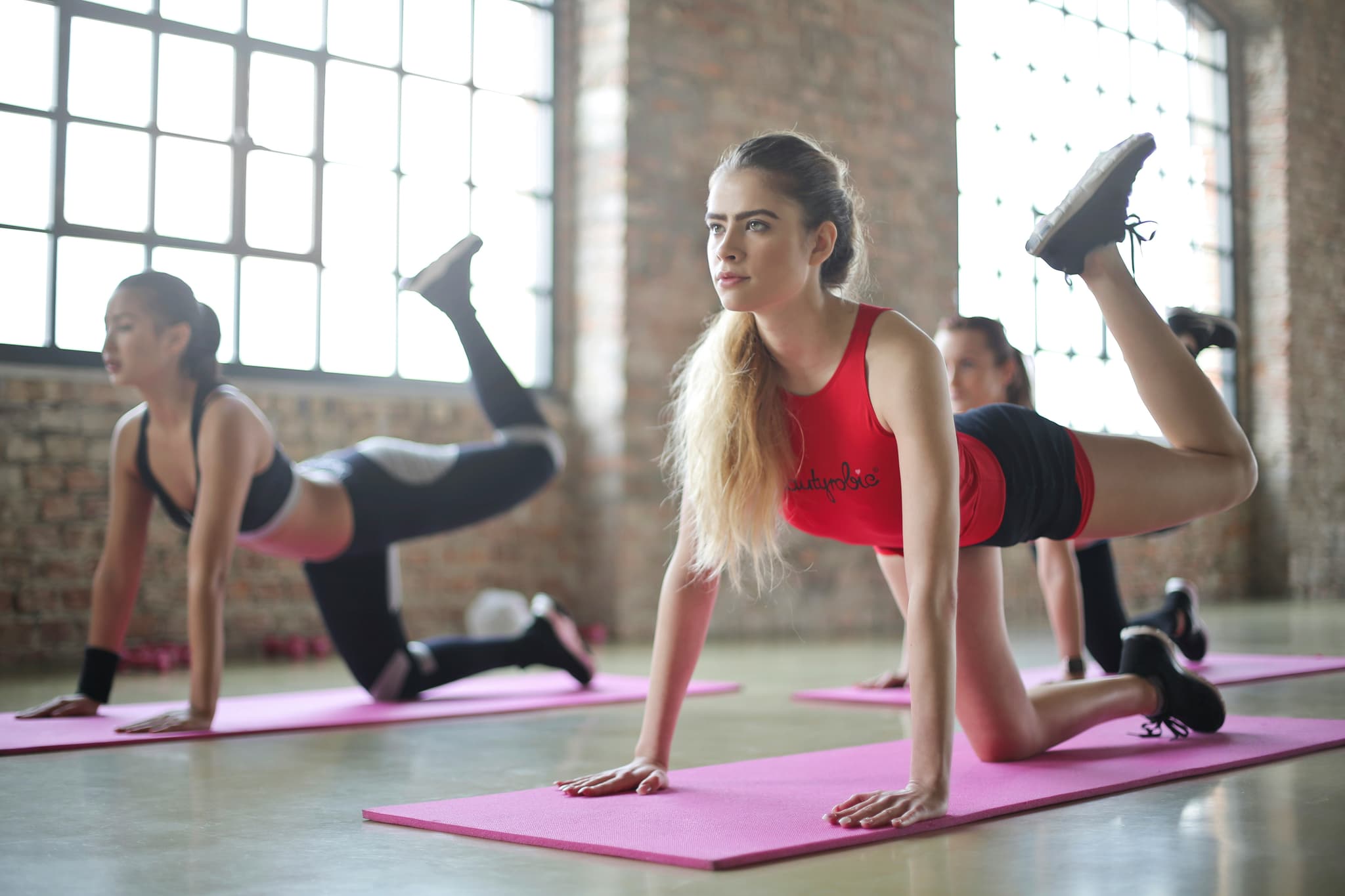
This approach has grown popular for a reason. A functional strength training session usually mixes bodyweight exercises with resistance work, asking your core, joints, and stabilizing muscles to work together rather than in isolation. The result is a workout that can translate more directly into how you move outside the gym, whether that means better balance, more confidence lifting heavy objects, or simply feeling less stiff after a long day at a desk.
Functional training can appeal to a wide range of people, from those returning to exercise after time away to people who already train regularly but want a more purposeful structure. Because sessions often scale in intensity and complexity, a functional fitness program can suit someone building foundational strength as well as someone refining coordination and power. If your goal is a stronger, more capable body for daily life rather than a narrow focus on aesthetics alone, this training style is worth exploring.
It can also be a good fit if you enjoy variety. A functional training workout rarely looks the same twice, since exercises are often combined and adjusted to keep the body challenged in different ways. This can help keep motivation high, especially if repetitive gym routines have felt stale in the past.
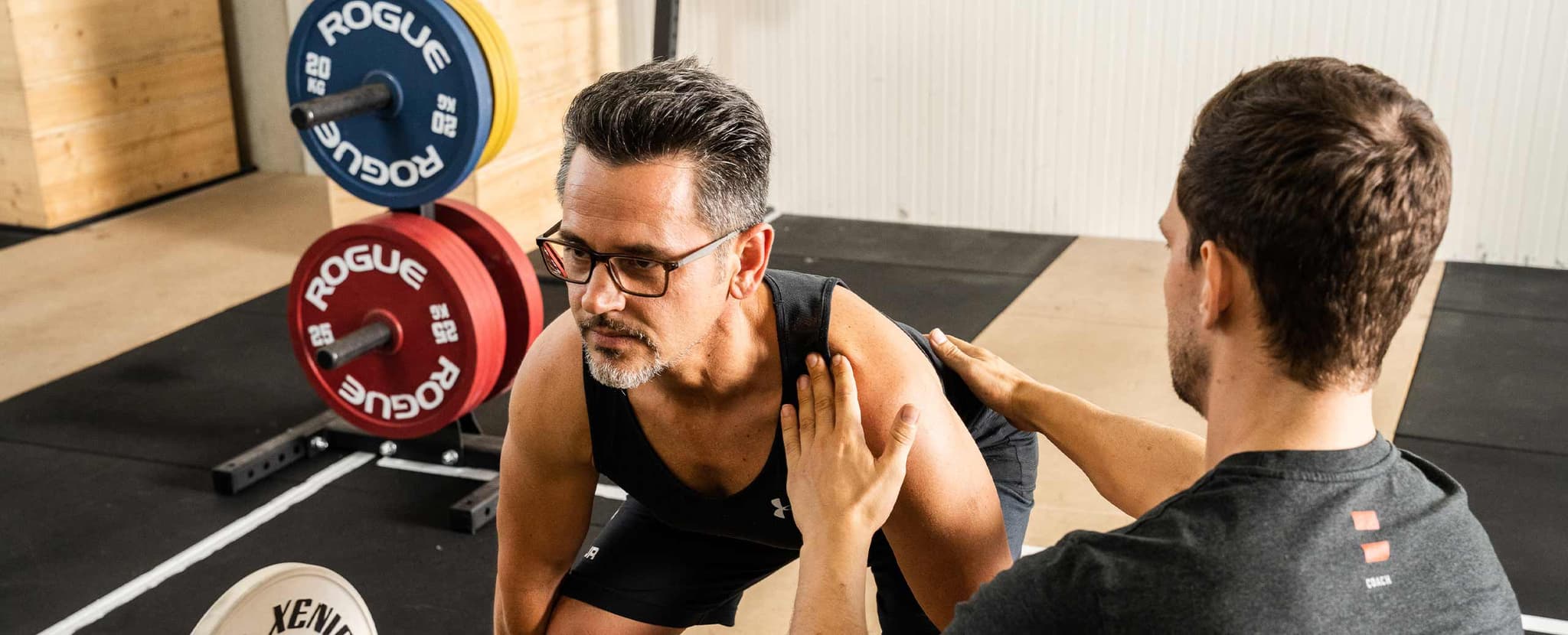
Most functional training sessions are built around compound movements: think squats, lunges, presses, pulls, and rotational exercises, often performed with bodyweight, added resistance, or both. Sessions are typically structured to build strength, mobility, and stability at the same time, rather than treating them as separate goals. Whether the setting is a dedicated functional training gym, a training club, or an outdoor space, the emphasis stays on practical, whole-body movement.
Because the format is adaptable, functional training exercises can be scaled up or down depending on experience and goals. This flexibility is part of why the style works for both newer participants and those with a longer training background.
If you are comparing a functional workout plan to more traditional strength training, consider what you want your fitness to support. Traditional muscle strength training often isolates specific muscle groups, while functional approaches prioritize how muscles work together during real movement. Neither approach is inherently better, but if your goal is strength that carries over into daily tasks, sports, or general resilience, a functional format may align more closely with that intention.
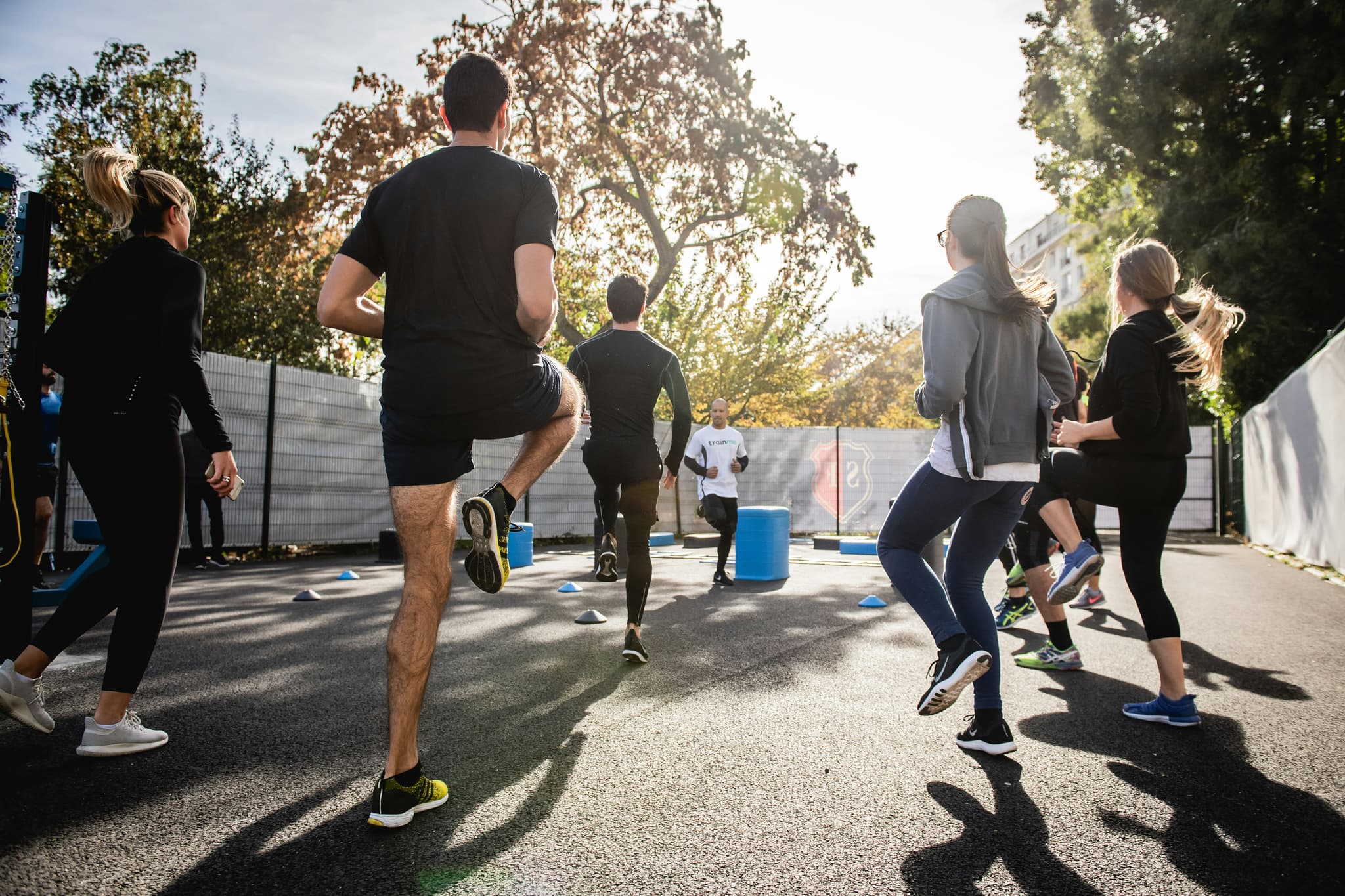
It also helps to think about setting. Some people prefer the structure and equipment of a gym environment, while others are drawn to a functional training outdoor format for the added variety of fresh air and open space. Both settings can support the same core training principles.
Since training styles, group sizes, equipment, and session structure can vary between providers, check the booking details for information about session length, format, experience level guidance, and what is included. If you are searching for a functional training program near a specific location, use the available filters to compare options that match your schedule and preferences.
Functional fitness training offers a way to build strength that feels connected to real life rather than confined to a gym routine. If you want a full body functional workout that challenges multiple muscle groups at once, supports everyday movement, and keeps training varied and engaging, this format offers a practical starting point worth exploring further.
Functional fitness training focuses on movements that mirror everyday actions, like squatting, lifting, pushing, and pulling. Instead of isolating single muscles, it trains your body to move as one connected system, which can support strength and coordination for daily life.
Functional training can often be adjusted to different experience levels since exercises are typically scalable. Check the booking details for information on session structure and any guidance provided for newcomers to make sure it fits your current fitness level.
Traditional strength training often isolates specific muscles, while functional training emphasizes movement patterns that combine multiple muscle groups. This can make functional workouts feel more directly connected to real-world tasks and everyday movement.
Functional training often combines bodyweight exercises with additional resistance tools, but this can vary by session and setting. Check the booking details to see what equipment is used or provided before you attend.
Functional training is commonly associated with building strength for practical, everyday movements like lifting, bending, and balancing. Many people find this approach helpful for feeling more capable in daily activities, though results can vary by individual.
Functional training can take place in a gym setting or outdoors, depending on the provider and format offered. If you have a preference, check the listing details or use available filters to find a session in your preferred setting.
Think about whether you want strength that supports daily movement and overall capability rather than isolated muscle focus. If that sounds appealing, a functional training program may align well with your goals, but reviewing the session details can help confirm the fit.
Yes, functional training is often designed as a full body approach, combining multiple movement patterns in a single session. This can make it a convenient option if you prefer training your whole body rather than focusing on isolated areas.
Functional fitness training can contribute to overall muscle strength by engaging multiple muscle groups through compound movements. The specific strength benefits may vary depending on the program structure, so check details for intensity and format information.
Use the available search filters and location options to browse functional training programs in your area. Comparing session formats, settings, and schedules can help you find an option that matches your preferences and routine.
Lukas Kitzberger
Lukas Kitzberger is a sports scientist, trainer, and speaker specializing in sport, nutrition, and health. He translates current research into practical training designed to help you reach your goals.
SPORTUNION Steiermark
SPORTUNION is Austria's leading sports umbrella organization, connecting over 731,000 members across 4,750 clubs. We're committed to movement, health, and community for every age and ability.
Wild Flow • Pole & Movement Studio
Wild Flow is a pole dance and movement studio in Graz offering classes in pole dance, flexibility, dance, and fitness. We create a space where you build strength, learn new skills, and move with confidence.