Setting
- Indoor
- Active Participation
- Group Activity
Camping Under Stars


Camping Under Stars
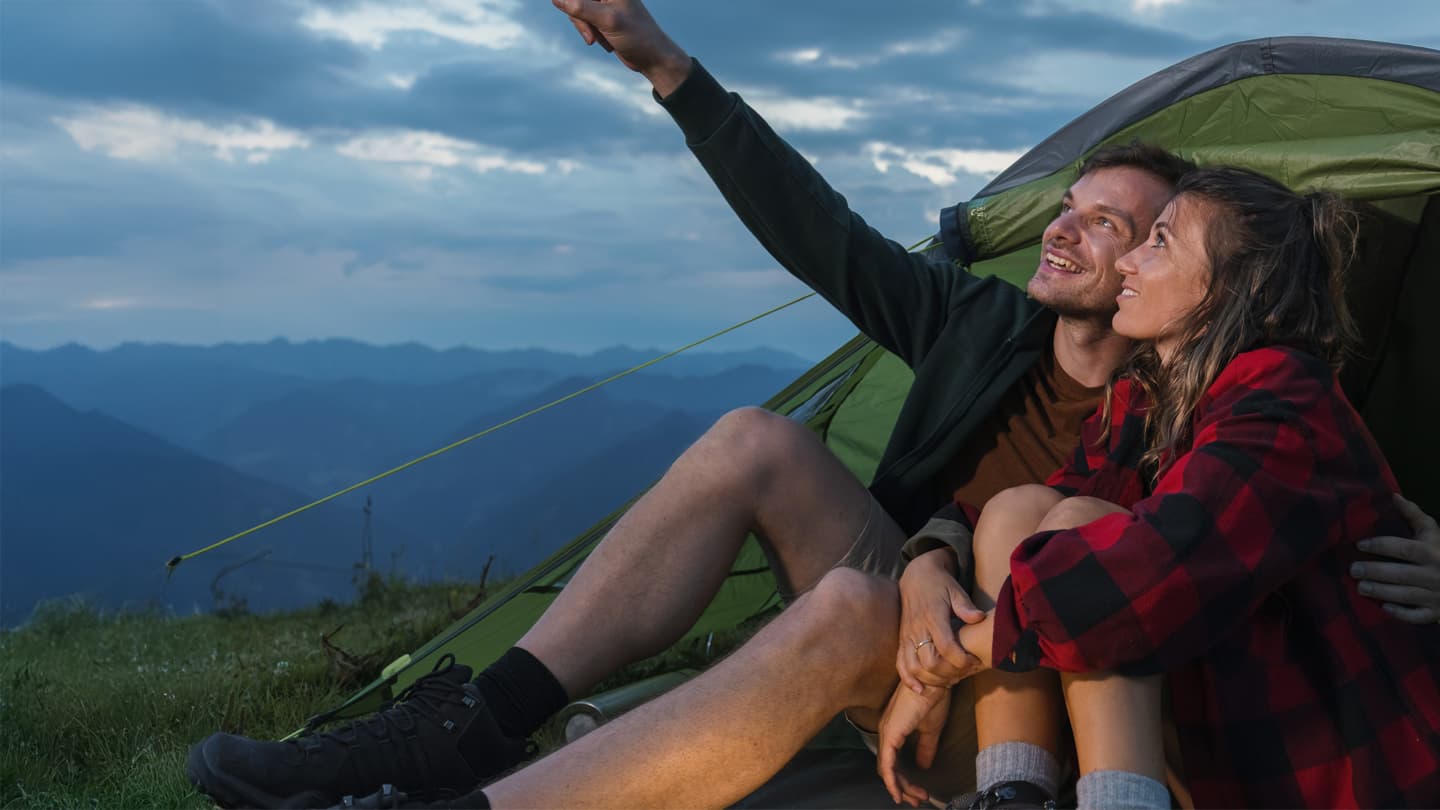
Camping under stars is an enchanting way to connect with nature and the cosmos. Imagine lying under a blanket of twinkling stars, the crackling of the campfire nearby, and the occasional rustle of nocturnal wildlife. It…
Mountain Lodge Adventures
Guided outdoor programs and seasonal events. Book sessions that fit your schedule.
Urban Fit Studio
Small-group training with flexible booking. Try a class or join as a member.
Packing the right items is crucial for a successful stargazing camping trip. You'll want a good mix of camping essentials and specific items for stargazing. Start with the basics: a sturdy tent, sleeping bag, and sleeping pad to ensure a comfortable night in the great outdoors. For those chilly nights, pack warm clothing, hats, and gloves. Don't forget a reliable flashlight or headlamp with extra batteries. Since you're there to marvel at the stars, bring a telescope or binoculars if you have them, though they're not strictly necessary. A red flashlight can help preserve your night vision. Also, having a star map or stargazing app will be handy. Don't forget camping essentials for beginners like a first-aid kit, multi-tool, and plenty of water and food supplies. If you plan to take photos, pack a camera with a tripod, and use some night sky photography tips to capture those stunning celestial views. An extra power bank can be a lifesaver for your gadgets. Finally, pack some entertainment, like a good book or some music. All these items will ensure you have a comfortable and memorable experience camping under the stars.
Choosing the best camping gear for beginners can feel overwhelming, but it doesn't have to be. First, focus on the essentials: a reliable tent that's easy to set up and comfortably fits your group size. Look for those labeled as '3-season' tents for versatility. A good sleeping bag is also crucial - choose one rated for the lowest temperature you expect to encounter. Pair it with a comfortable sleeping pad to insulate you from the cold ground. Don't forget a decent backpack to carry all your gear. Next, invest in a portable stove or camping grill for cooking, and remember cookware that's lightweight and easy to clean. A good camping kit should also include a reliable flashlight or headlamp and extra batteries. Beginners should also have basic safety items, including a first-aid kit and a multi-tool. Start small with your gear purchases, remember that you can always upgrade later. Always check reviews and recommendations to ensure you get high-quality and durable items. With the right camping gear for beginners, you'll be ready to enjoy outdoor adventure experiences without any hitches.
Finding the best outdoor camping spots for stargazing can transform a regular camping trip into a magical experience. Look for places far from city lights and with clear, unobstructed views of the sky. Higher elevations often provide clearer skies, so consider mountainous regions. National parks and reserves are usually great options, as they tend to have less light pollution. Sites with wide open spaces are ideal - think deserts or secluded beaches. Research areas known for their dark skies, which are specifically designated for stargazing. These places often have facilities and information for astronomy enthusiasts. Check out reviews and ratings of campsites to find the best camping under the stars experiences that suit your preferences. Many of these top spots have amenities that make the overall experience more enjoyable, such as clean restrooms, fire pits, and convenient access to trails. Use our platform to find nice camping places near me and filter for the best spots for stargazing. Whether you're seeking a remote nature adventure or a more civilized glamping setup, the right location can make all the difference in your stargazing camping trip.
Camping under the stars can be a safe and enchanting experience if you take the right precautions. Safety starts with choosing a well-reviewed and managed campsite. Always inform someone about your camping plans and expected return time. Equip yourself with a first-aid kit, and brush up on basic first-aid knowledge. It's also essential to know the local wildlife and plant life to avoid any dangerous encounters. Pack enough food and water for the duration of your trip, plus some extra. Secure your food properly to avoid attracting animals. Avoid camping near unstable trees or on uneven ground. Keep an eye on the weather forecast, and prepare for unexpected changes. A reliable flashlight or headlamp with spare batteries is crucial for night-time safety, ensuring you don't trip or lose your way. Layered clothing will help keep you warm as temperatures drop at night. If you're a beginner, start with camping essentials for beginners to make sure you are well-prepared. Follow these tips, and you'll find that camping under the stars can be both safe and incredibly rewarding.
Staying warm during a camping trip, especially at night, is all about preparation and the right gear. Start with a high-quality sleeping bag rated for low temperatures. Pair it with a sleeping pad to insulate yourself from the cold ground. Wear thermal or moisture-wicking base layers to keep warm and dry. Layering is key - use lightweight, insulating layers topped with a waterproof shell if necessary. Warm hats, gloves, and socks are essential as you lose heat quickly through your extremities. A good camping tip is to eat a warm meal before bed to help raise your core body temperature. Packing a hot water bottle can also be handy; fill it up before you sleep and place it in your sleeping bag to keep cozy. Ensure your tent is well-ventilated but secured against drafts. For extra warmth, you might consider a sleeping bag liner. Drink plenty of water to stay hydrated, as dehydration can make you feel colder. Following these tips will ensure you're toasty and comfortable, allowing you to enjoy the peace and beauty of sleeping under the stars.
Capturing the beauty of the night sky while camping under the stars can be incredibly rewarding with the right techniques. First, use a sturdy tripod to keep your camera steady and avoid any blurring. A camera with manual settings is ideal - set it to a wide aperture (like f/2.8) to allow more light in. Keep your ISO setting high but balanced to avoid excessive noise. Start with an exposure time of about 20 seconds. Any longer, and you'll capture star trails instead of pinpoint stars. Use a remote shutter release or a self-timer to minimize camera shake. To focus in the dark, use your camera's Live View and manually focus on the brightest star. Experiment with compositions, such as including silhouettes of trees or tents under the stars for more dramatic shots. If you have one, a wide-angle lens can capture a broader view of the sky. Always review your shots and adjust your settings as necessary. These night sky photography tips will help you take stunning photos to remember your stargazing camping trip for years to come.
You don't necessarily need a telescope for a stargazing camping trip. While a telescope can certainly enhance your views of celestial bodies, many stargazing enthusiasts find joy with the naked eye or a pair of binoculars. The night sky can be quite vivid in a dark camping setting, revealing constellations, planets, and even meteor showers. If you're new to stargazing, starting without a telescope might be less intimidating and more enjoyable. Binoculars are a great tool as they are more portable and still powerful enough to give you an up-close view of the moon and some planets. Plus, they can be used for other nature adventures during the day. A star map or a stargazing app can guide you to the best sights in the sky. If you do decide to bring a telescope, ensure you know how to set it up and use it in the dark, and consider investing in a red flashlight to preserve your night vision. Ultimately, the magic of a stargazing camping trip lies in simply lying back and soaking in the infinite beauty of the cosmos.
Finding the best camping under the stars near me is easier than you might think with our platform. It offers a unique space to discover top-rated providers for a variety of experiences close to you. You can browse through listings from all over the world, ensuring you'll find a perfect spot no matter where you are. Simply enter your location, and you'll get a curated list of camping and stargazing options nearby. You can get in touch with these experience providers for free, with no need for registration. This makes it super easy and convenient. Check out reviews and ratings to ensure you're choosing the best possible experience. Plus, you can rate your adventure and share it with friends, maybe even turn it into a group outing. Whether you're looking for a simple tent under stars setup or a luxurious glamping experience, our platform has you covered. Start your search and get ready to enjoy an unforgettable night camping under the stars in a stunning, accessible location.
Stargazing with kids can be a magical and educational experience for the whole family. Start by keeping things simple and engaging. Bring a child-friendly star map or a stargazing app to help them identify constellations and planets. A pair of binoculars can make the activity more exciting without the complexity of a telescope. Ensure you dress the kids in warm, comfortable clothing, as nights can get chilly. Snacks and hot drinks can keep little ones happy and warm. Try telling stories or myths associated with different constellations to spark their imagination. Position cozy blankets or camping chairs to make it easier for them to look up at the sky. Be patient and let their natural curiosity guide the experience. Safety is key, so always keep an eye on them and ensure they don't wander off in the dark. The beauty of camping under the stars is that it allows for these extended family nature adventures, creating memories that last a lifetime. Plus, the shared wonder of viewing the night sky can be a great bonding experience.
If you're new to camping, a few essential tips can help ensure you have a fantastic outdoor adventure. Start by choosing a campsite that matches your comfort level - many nice camping places near me offer varying levels of amenities. Always check the weather forecast and prepare accordingly. Pack the right camping gear for beginners, focusing on essentials like a dependable tent, sleeping bag, and sleeping pad. A well-stocked first aid kit is crucial. Plan your meals and pack foods that are easy to prepare. Having a portable stove can make cooking much easier. Learn how to set up your tent at home before you leave to avoid frustrations at the site. Get familiar with Leave No Trace principles to minimize your impact on the environment. Wear layers and be prepared for weather changes. Lighting is important, so bring a good flashlight or headlamp with extra batteries. Finally, don't forget some basic camping tools like a multi-tool and duct tape. These tips will not only make your first camping trip successful but also ignites a love for nature adventures.
Preparing for bad weather during a camping trip means taking a proactive approach to your planning and packing. Start by checking the weather forecast regularly as your trip approaches. Pack a high-quality, waterproof tent with a reliable rainfly and ground tarp to keep dry from above and below. Bring extra tarps or emergency blankets to create additional shelter or to cover your gear. Waterproof bags or dry sacks can keep your clothing and essentials dry. Layering is key when it comes to clothing—base, insulation, and waterproof layers will keep you warm and dry. Pack extra clothes and socks in waterproof containers. Cooking can be tricky in the rain, so bring a portable stove and consider simple, non-perishable meals. Always avoid setting up camp in low-lying areas where water can gather. Know the terrain and identify high ground where you can move if conditions worsen. Preparing mentally for potential discomfort can make a significant difference. By anticipating and planning for poor weather, you can transform potential challenges into a part of your memorable outdoor adventure experiences.
Camping under the stars without a tent, also known as cowboy camping, can be an exhilarating experience, bringing you even closer to nature. However, it requires a bit more preparation to ensure comfort and safety. First, check the weather forecast to make sure there's no rain expected. A good sleeping bag rated for the night's temperature is essential, as well as a sleeping pad to insulate you from the cold ground. A bivy sack or a sleeping bag cover can offer extra protection against dew and insects. Position yourself on a flat, dry area away from anthills and other critters. Keep some sort of shelter, like a tarp or emergency blanket, nearby in case the weather turns. Always inform someone about your exact camping location and plans. Make sure your gear includes camping essentials for beginners, and consider keeping your belongings like food and any lightweight gear packed away safely and securely. Cowboy camping allows for an unparalleled view of the night sky, making for a unique and unforgettable way to sleep under the stars.
Making your stargazing camping trip more comfortable involves a mix of proper gear and thoughtful planning. Start with a good night's sleep by investing in a quality sleeping pad and a cozy sleeping bag. An inflatable pillow can add an extra touch of comfort. Dress in layers so you can easily adjust to the changing temperatures. Bring along a thick blanket or a camping chair to create a comfortable viewing spot. Equip yourself with a reliable flashlight or headlamp for navigating in the dark. Pack bug spray to keep mosquitoes and other pests at bay. A small portable heater or extra blankets can be very useful on particularly cold nights. Keep your favorite snacks and a thermos of hot drinks at hand to enjoy while you stargaze. Consider downloading a stargazing app to enhance your experience, making it easier to identify celestial bodies. Bringing along a pair of binoculars can also improve your viewing. Finally, keep your campsite organized and free from clutter to create a more relaxing vibe. Following these stargazing tips will ensure you have a magical and comfy outdoor adventure experience.
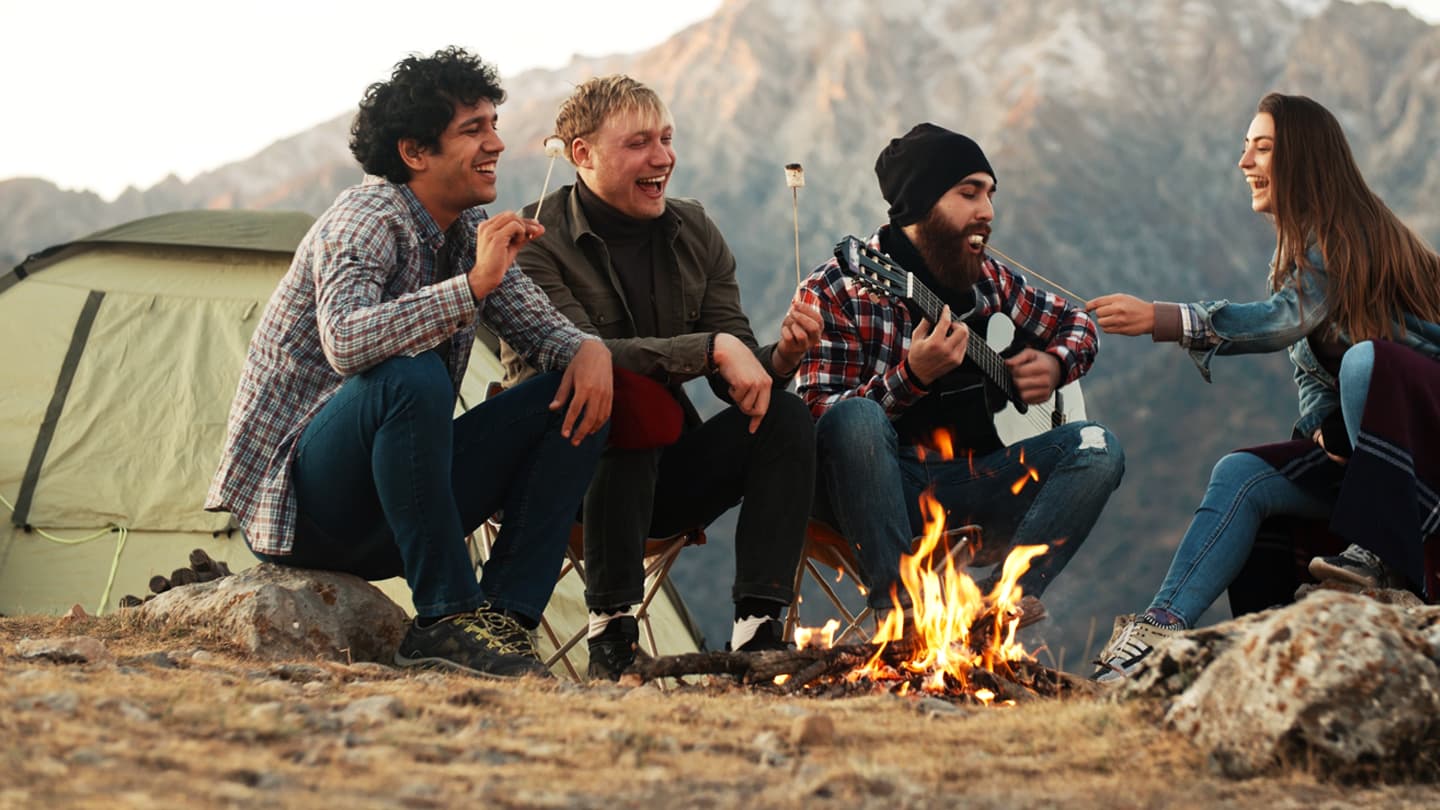
A stargazing trip can be packed with fun activities that complement the serene night sky. Start your evening with a campfire and some traditional camping snacks like s'mores. As the sun sets, gather everyone for a storytelling session about the constellations. Use a star map or a stargazing app to explore the sky and find constellations, planets, and possibly some shooting stars. If you're into photography, try your hand at capturing the sky with some night sky photography tips. Host a small night-time picnic with warm drinks and cozy blankets. For the competitive types, create a game to see who can spot the most shooting stars or identify the most constellations. Bring along binoculars for a closer look at the moon and planets. If you're musically inclined, a guitar or a harmonica can make the night atmosphere even more special. Teaching kids about the stars and the myths behind them can be both entertaining and educational. These activities not only enhance your time under the stars but also create lasting memories.
Enhancing your camping experience involves a blend of planning, comfort, and embracing the natural surroundings. Start by choosing scenic camping adventures that offer beautiful landscapes and a clean, safe environment. High-quality camping gear, such as a comfortable sleeping bag, pillow, and durable tent, can make a significant difference. Plan your meals, and consider bringing a portable grill or stove for easy cooking. Packing a variety of snacks and treats can add an extra layer of enjoyment. Engage in activities like hiking, fishing, or exploring during the day, and save the stargazing for nighttime. Use our platform to find the best camping under the stars near me. Consider bringing along some comforts from home, like a favorite book, a hammock, or even some fairy lights to create a cozy ambiance. If available, take part in group activities or outdoor adventure tours to meet new people. Finally, remember to unplug from technology and fully immerse yourself in the nature around you. These tips will transform your trip into an unforgettable outdoor adventure experience.