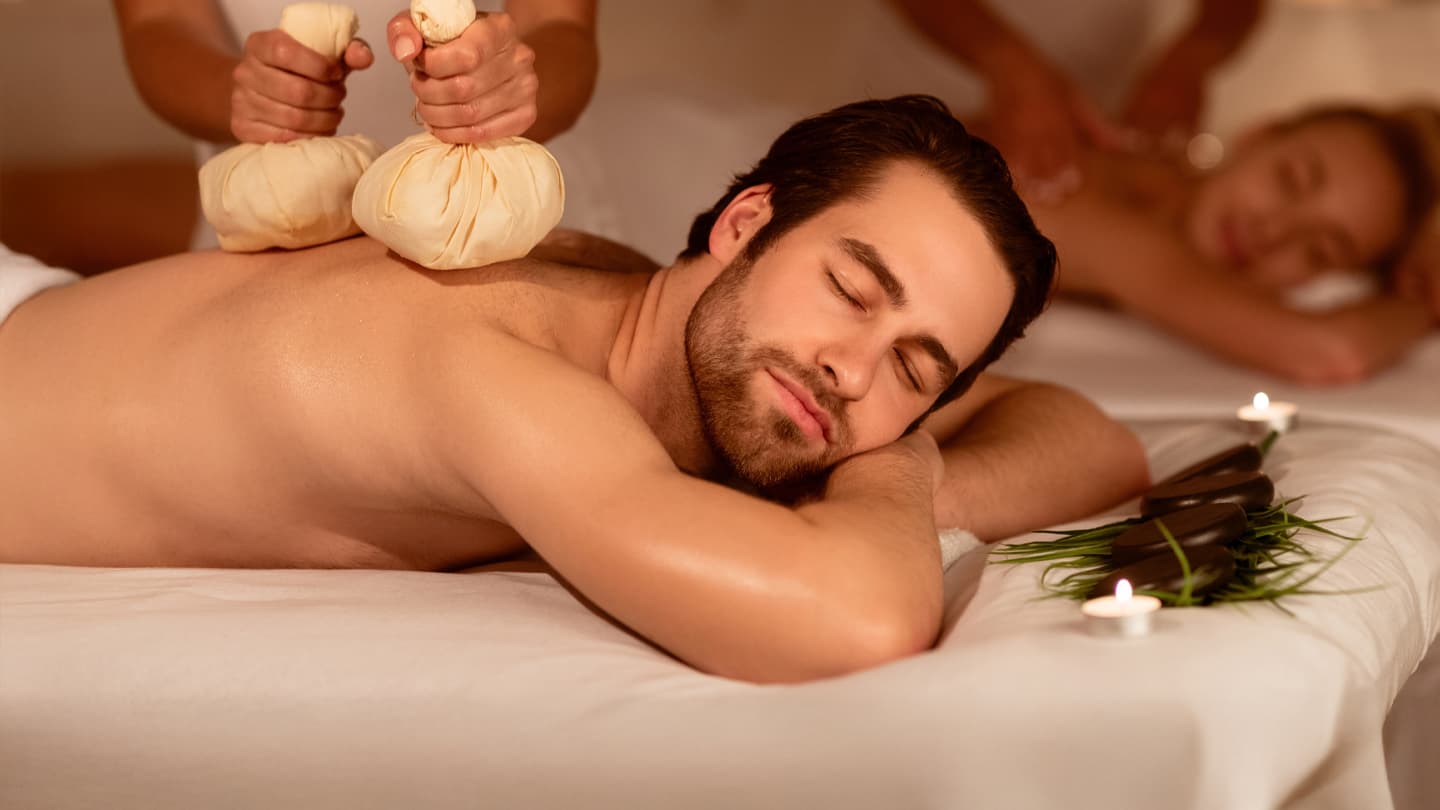
What to Expect
- Settle in and share any areas of focus
- Receive steady pressure and guided bodywork
- Close the session feeling calmer and more at ease
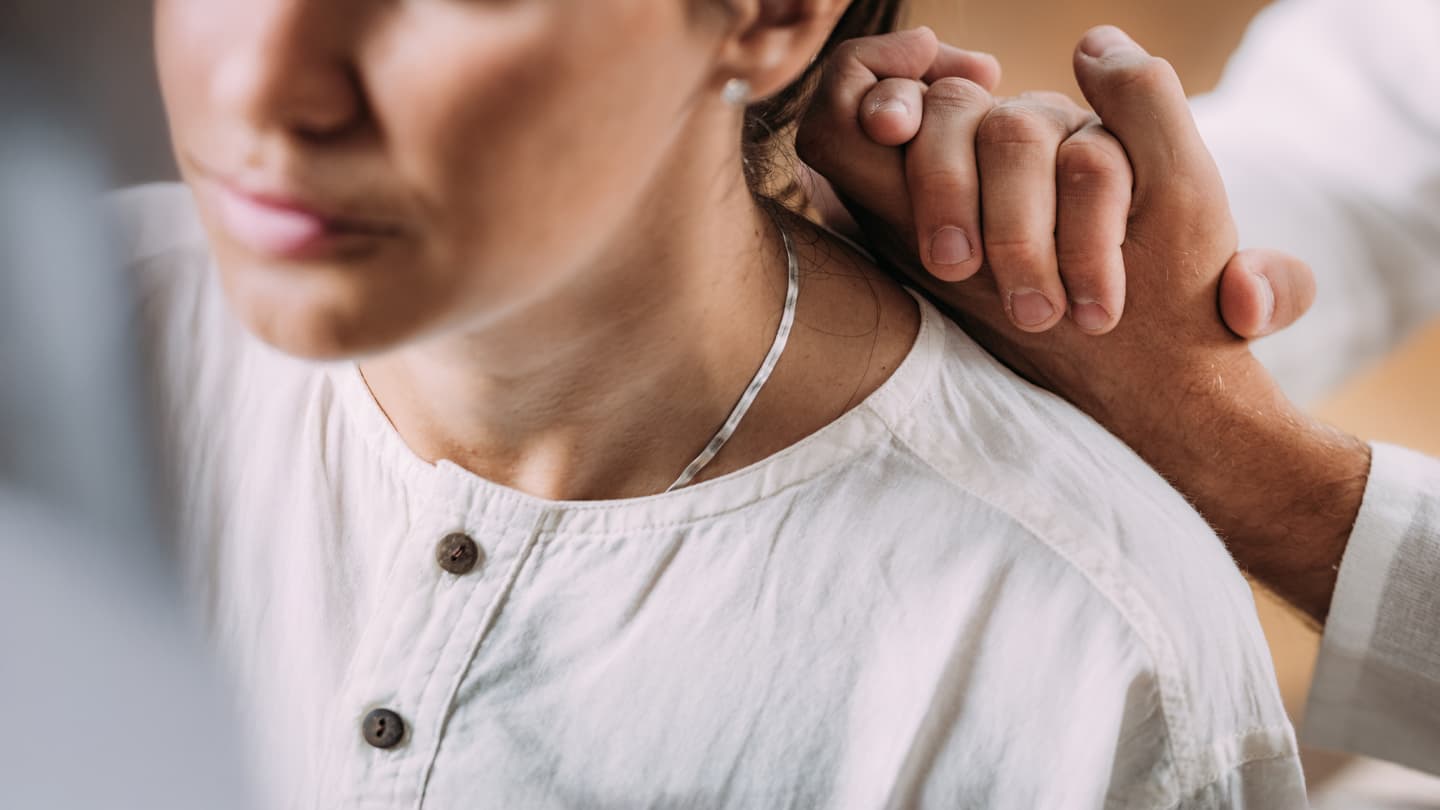
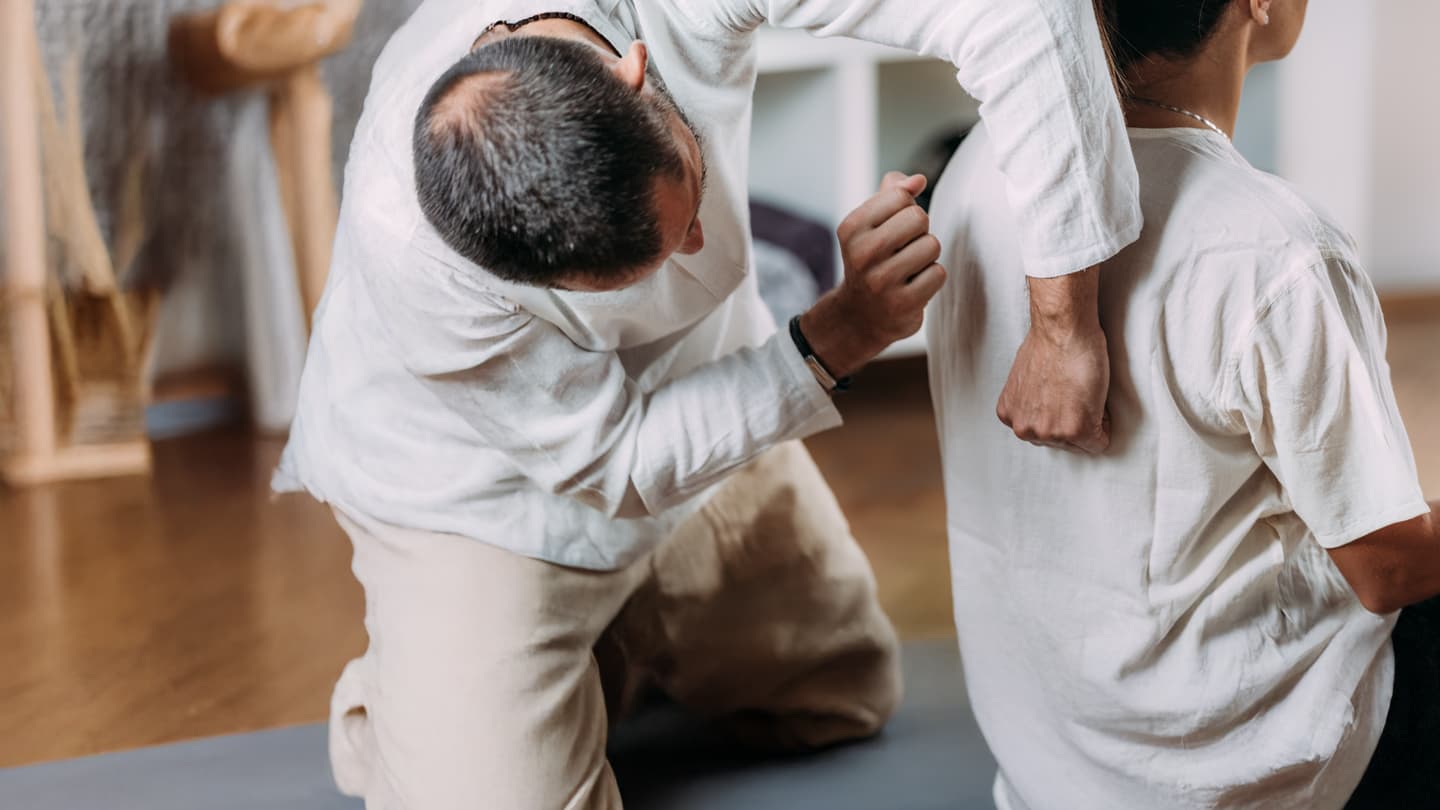
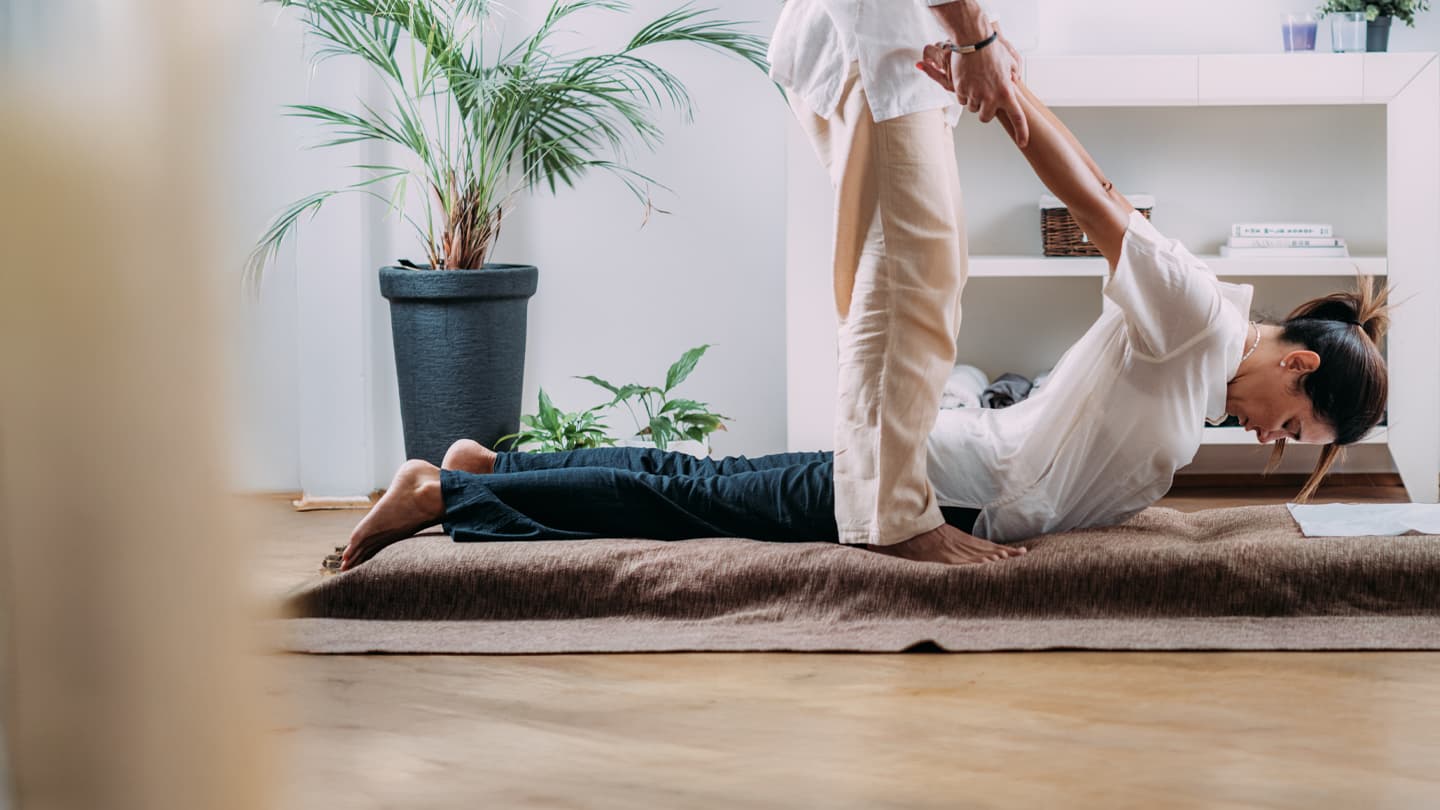
Shiatsu massage is a Japanese bodywork practice that applies rhythmic pressure to specific points along the body. It draws on the principles of traditional Eastern medicine, working with the body's natural energy flow to ease tension, encourage relaxation, and support a sense of balance. If you're looking for a hands-on experience that goes beyond surface-level relaxation, Shiatsu offers a calm and attentive alternative.
Unlike many Western massage techniques, Shiatsu is typically performed through clothing on a mat or low table. The practitioner uses thumbs, palms, and sometimes elbows to apply pressure along meridian pathways, which are the energy channels described in traditional Japanese and Chinese medicine. The result is a style of bodywork that feels both grounding and deeply attentive, without relying on oils or intense manipulation.
Shiatsu is often chosen by people who want a more intentional approach to relaxation. It may be a good fit if you find conventional massage too intense, if you're interested in holistic or energy-based bodywork, or if you simply want a session that feels considered and calm. The pressure-point focus gives the experience a specific quality that many people find easier to stay present with.
Shiatsu sessions are booked for many different reasons. Some people come with a specific area of discomfort in mind. Others are drawn to the stress-relief and relaxation side of the practice. Some are simply curious about Japanese bodywork traditions and want to understand what the experience actually feels like. Whatever brings you to it, the session is designed to work with your body at its own pace.
Shiatsu tends to suit people who appreciate a slower, more deliberate form of bodywork. It can be a good choice if you prefer something grounded and structured over more freeform relaxation experiences. It may also appeal if you have an interest in acupressure techniques or meridian-based therapy, or if you're simply looking for a session that feels different from a standard relaxation massage. If you're unsure whether it fits your needs, checking the session details or asking the provider a question before booking is always a sensible step.
A Shiatsu session can make a considered and personal gift. It suits people who value self-care, are open to trying something new, or could benefit from a calm and restorative experience. Because it doesn't require any prior knowledge or preparation, it's accessible as a first-time experience and easy to give with confidence.
As with any bodywork session, it's worth reviewing the specific details before confirming. Check what the session covers, how long it runs, and whether there are any relevant notes about preparation or comfort. If you have specific physical concerns or conditions, it's a good idea to reach out to the provider beforehand so you can make the most of the experience.
No prior experience is needed. Shiatsu is accessible to first-timers and experienced recipients alike. The session is designed to work at your own pace, so you can simply arrive, relax, and let the practitioner guide the experience.
Shiatsu is typically performed through clothing, so comfortable, loose-fitting clothes are usually recommended. You won't need to undress for most Shiatsu sessions, but it's worth checking the specific details with the provider when you book.
Shiatsu uses rhythmic pressure along energy pathways rather than the kneading or stroking techniques common in Western massage. It's usually done through clothing on a mat, and focuses on the body's meridian system rather than muscle tissue alone.
Shiatsu is often sought out for its calming and grounding qualities. Many people find that the focused, pressure-based approach helps them slow down and feel more at ease. Whether it suits your specific needs is worth considering before booking.
Yes, a Shiatsu session can make a thoughtful and personal gift. It suits people who value self-care or are curious about Japanese bodywork. Because no prior knowledge is needed, it works well as a first-time experience for the recipient.
Shiatsu tends to appeal to people who prefer a slower, more deliberate style of bodywork. If you're drawn to pressure-based or energy-focused techniques and prefer a calmer approach over more intense massage styles, it may be a good fit for you.
General preparation usually involves wearing comfortable clothing and avoiding a heavy meal beforehand. For anything more specific, such as areas of concern or physical conditions, it's a good idea to check with the provider before your session.
Some people book Shiatsu with specific areas of tension in mind, including the back. However, every person's situation is different. If you have a particular concern, it's best to discuss it with the provider before your session to make sure the approach is appropriate.
Many people feel calmer and more relaxed after a Shiatsu session. Some notice a sense of physical ease or mental clarity. Individual responses vary, and the experience depends on the session and your own starting point, so it's difficult to predict exact outcomes.