What to Expect
- Arrive, settle in, and ease into the session
- Work through guided core and movement exercises
- Cool down and leave feeling more grounded
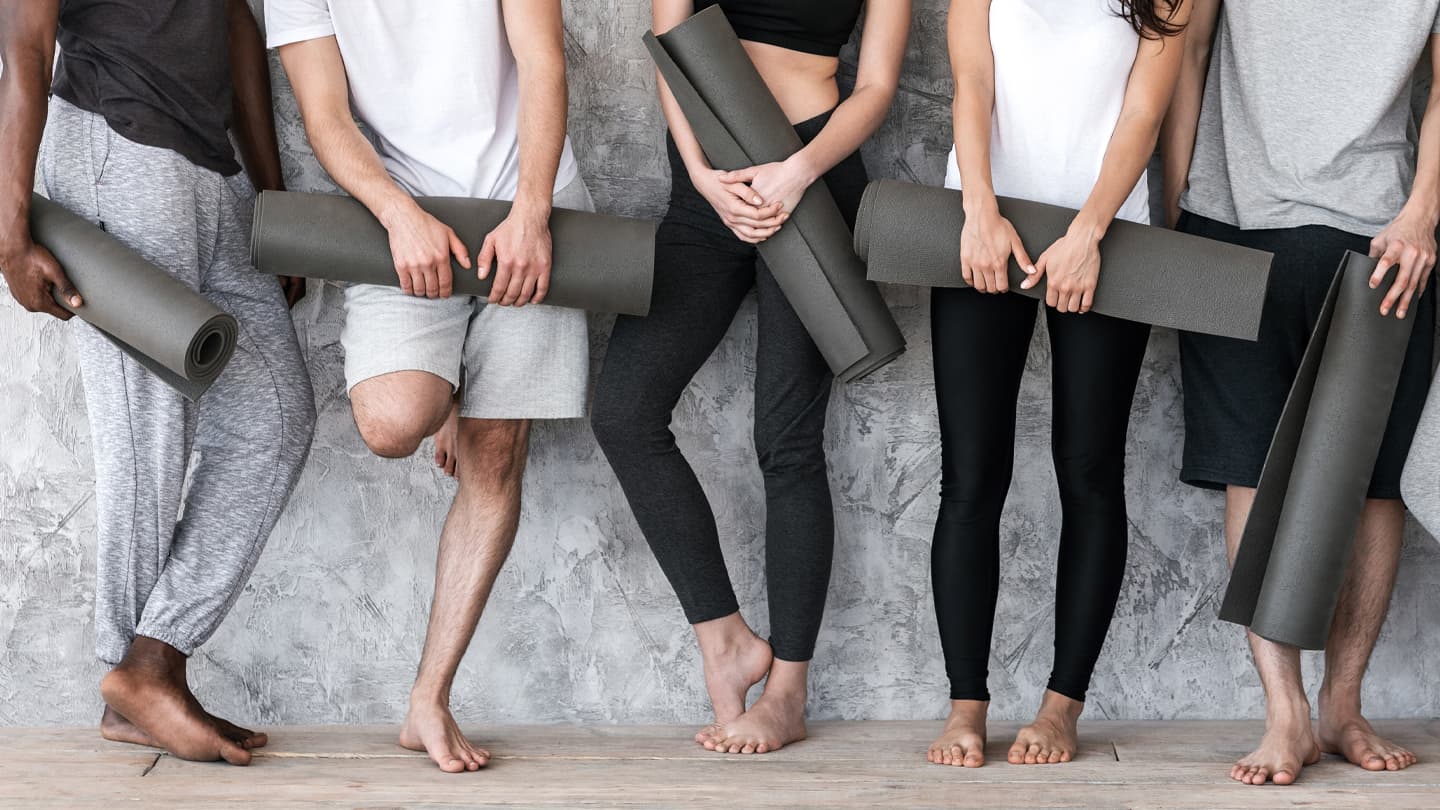
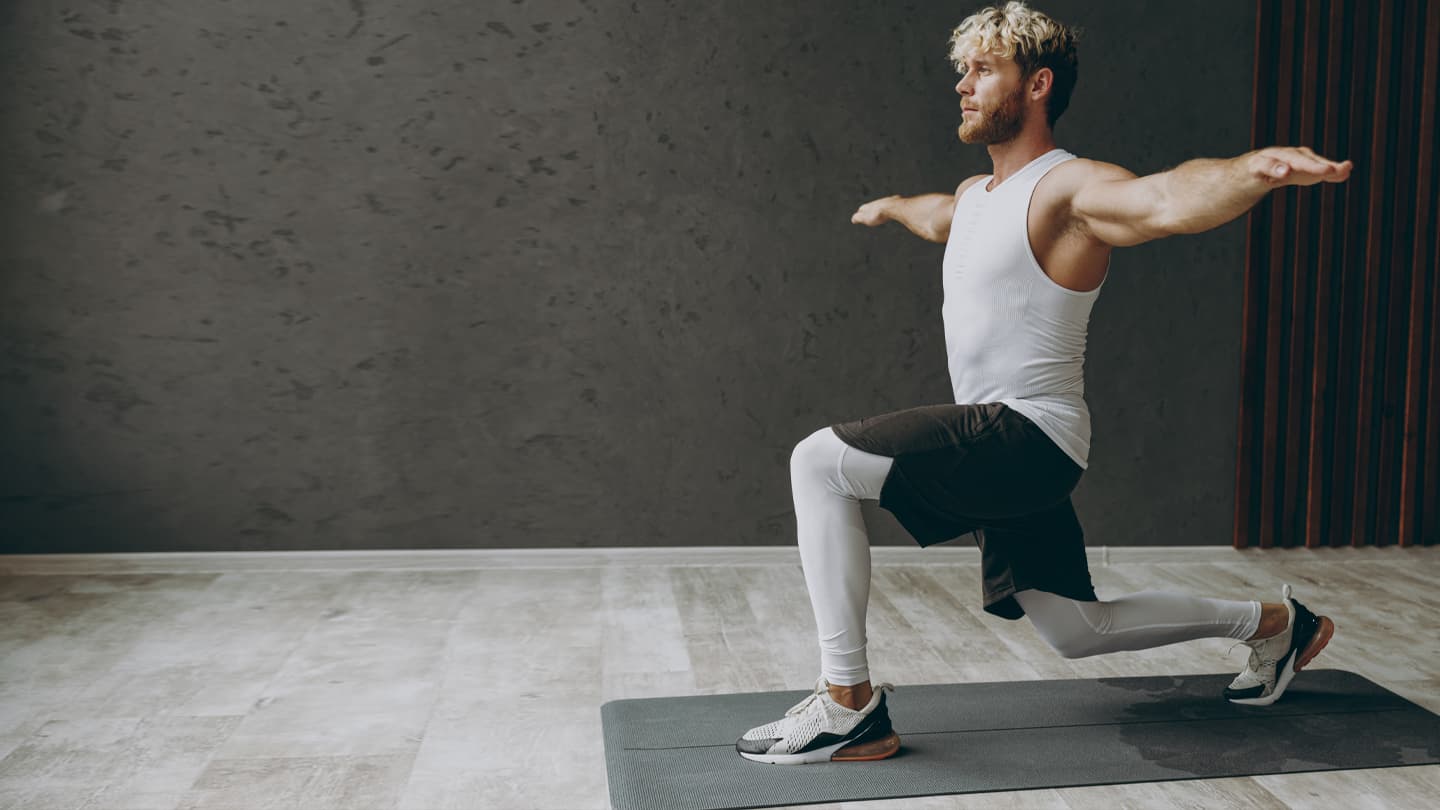
Pilates is a method of exercise built around controlled movement, core engagement, and body awareness. Unlike high-intensity workouts, it works through precision and consistency rather than speed or weight. A pilates class gives you a structured environment to develop strength, improve posture, and increase flexibility at a pace that fits your body.
Whether you are completely new to pilates or looking to build on an existing practice, a class setting provides guided instruction and a clear framework to follow. You are not left to figure things out on your own, and you are not expected to perform at a level you have not reached yet.
One of the reasons pilates appeals to a wide range of people is that it connects physical effort with mindful attention. Each movement asks you to think about alignment, breath, and engagement rather than simply pushing through repetitions. This makes it useful not just as a fitness method but as a way to develop a more conscious relationship with how your body feels and functions.
Because pilates is low impact, it is generally accessible to people who may find high-intensity exercise difficult, uncomfortable, or unsuitable for their current fitness level or physical condition. It is often used as a complement to other physical activities, as a recovery-friendly workout, or simply as a consistent weekly practice.
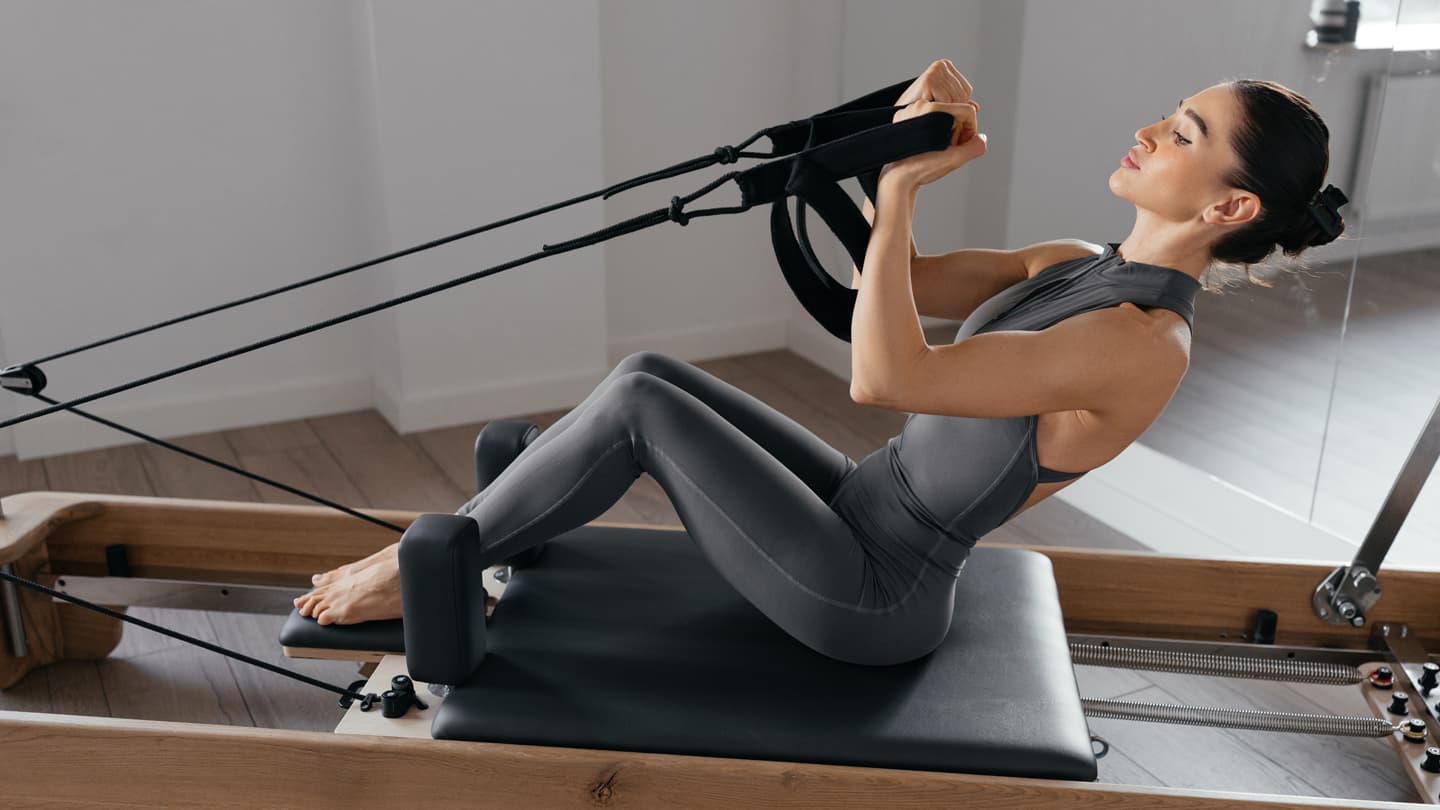
Pilates classes are usually structured around a sequence of exercises that target the core, back, hips, and supporting muscle groups. Mat-based classes use your body weight and sometimes small props, while reformer-based classes use a spring-resistance machine to add variety and support to the movements.
Most classes begin with a brief warm-up to prepare the body and establish focus, move through a series of exercises, and close with a cooldown or stretching sequence. The pace is generally steady and deliberate rather than rushed, which makes it easier to stay present and maintain correct form throughout.
Pilates works for people at many different stages. If you are new to structured exercise, a beginner-friendly class offers a gentle entry point with clear guidance on foundational movements. If you already have some fitness background, pilates can add depth to your training by targeting stability, alignment, and muscular balance in ways that other workouts often do not.
It is also a practical choice for anyone managing physical tension, recovering from periods of inactivity, or looking for a workout that supports long-term mobility rather than short-term intensity. The focus on posture and core strength tends to have carry-over benefits into everyday movement and physical comfort.
Before booking, it is worth considering what you are hoping to get from pilates and whether the class format suits your current level. Some classes are designed for beginners and move at a slower, more explanatory pace. Others assume a degree of familiarity with the method and move through sequences more fluidly.
If you are unsure, a beginner or all-levels class is usually the safest starting point. From there, you can build familiarity with the movements and decide whether you want to continue with the same format or explore other options such as reformer classes or more advanced sessions.
Pilates does not require a high level of fitness to begin, and most classes are designed to be approachable. Comfortable, flexible clothing that allows a full range of movement is generally recommended. Bare feet or grip socks are typically used rather than shoes, though it is worth checking the specific requirements before attending.
Consistency tends to matter more than intensity with pilates. Many people find that attending regularly over several weeks gives them a much clearer sense of progress than a single session. If you are looking for a workout that rewards patience and attention, pilates is worth exploring.
No previous experience is needed for most pilates classes. Beginner and all-levels classes are designed to introduce the foundational movements clearly, so you can follow along and build confidence at your own pace without feeling out of place.
Yes, pilates is generally well-suited to people with a lower fitness level. Because it is low impact and focuses on controlled movement rather than intensity, it tends to be accessible even if you are just starting out or returning to exercise after a break.
Mat pilates uses your body weight and sometimes small props on a floor mat. Reformer pilates uses a spring-resistance machine that supports and challenges movements in different ways. Both are effective, and many people try both to see which format they prefer.
Consistency tends to produce the clearest results with pilates. Many people notice improvements in how they feel and move after attending regularly over a few weeks. Even one session per week can be a useful starting point if that fits your schedule.
A pilates class can make a thoughtful gift for someone interested in fitness, movement, or simply trying something new. It suits a wide range of people and does not require any prior knowledge, which makes it an approachable choice for most recipients.
Comfortable, flexible clothing that allows a full range of movement is generally recommended. Most pilates classes are done barefoot or with grip socks rather than shoes. It is worth checking the specific requirements of the class you plan to attend before arriving.
Pilates is often associated with improvements in posture and core stability, which many people find helpful for managing everyday physical tension. However, specific outcomes vary by individual, and pilates is not a medical treatment or substitute for professional health advice.
Pilates is generally considered accessible for older adults because of its low-impact nature and focus on controlled movement. That said, it is always a good idea to check the class format and level before booking to make sure it aligns with your current physical condition.
Look for classes labeled beginner, all-levels, or introductory if you are new to pilates. These are designed to move at a pace that allows you to learn the movements properly. If you have some experience, an intermediate class may offer more variety and challenge.