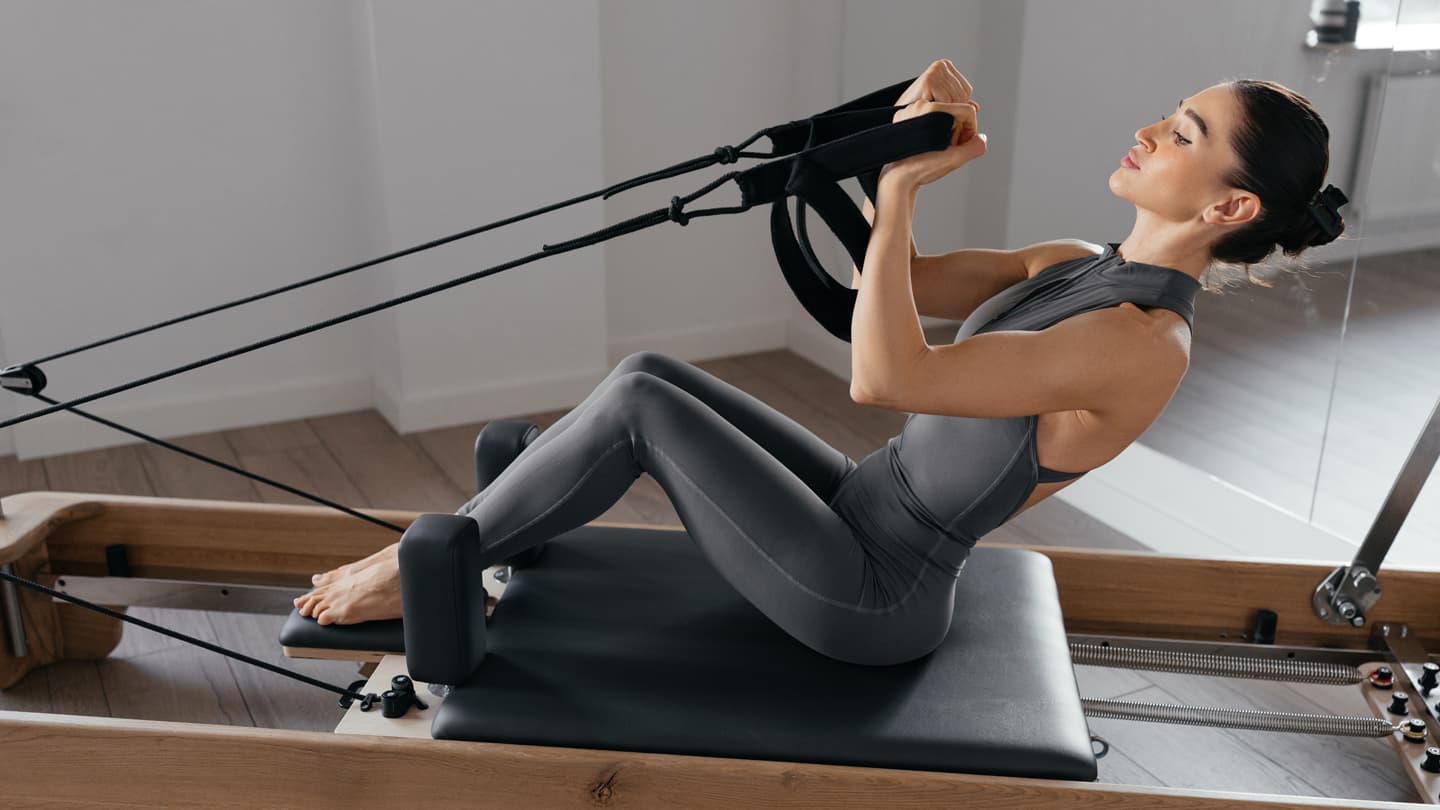
What to Expect
- Settle in and ease into the session with breathing
- Move through a guided sequence of postures
- Close with a calm, grounding cool-down moment
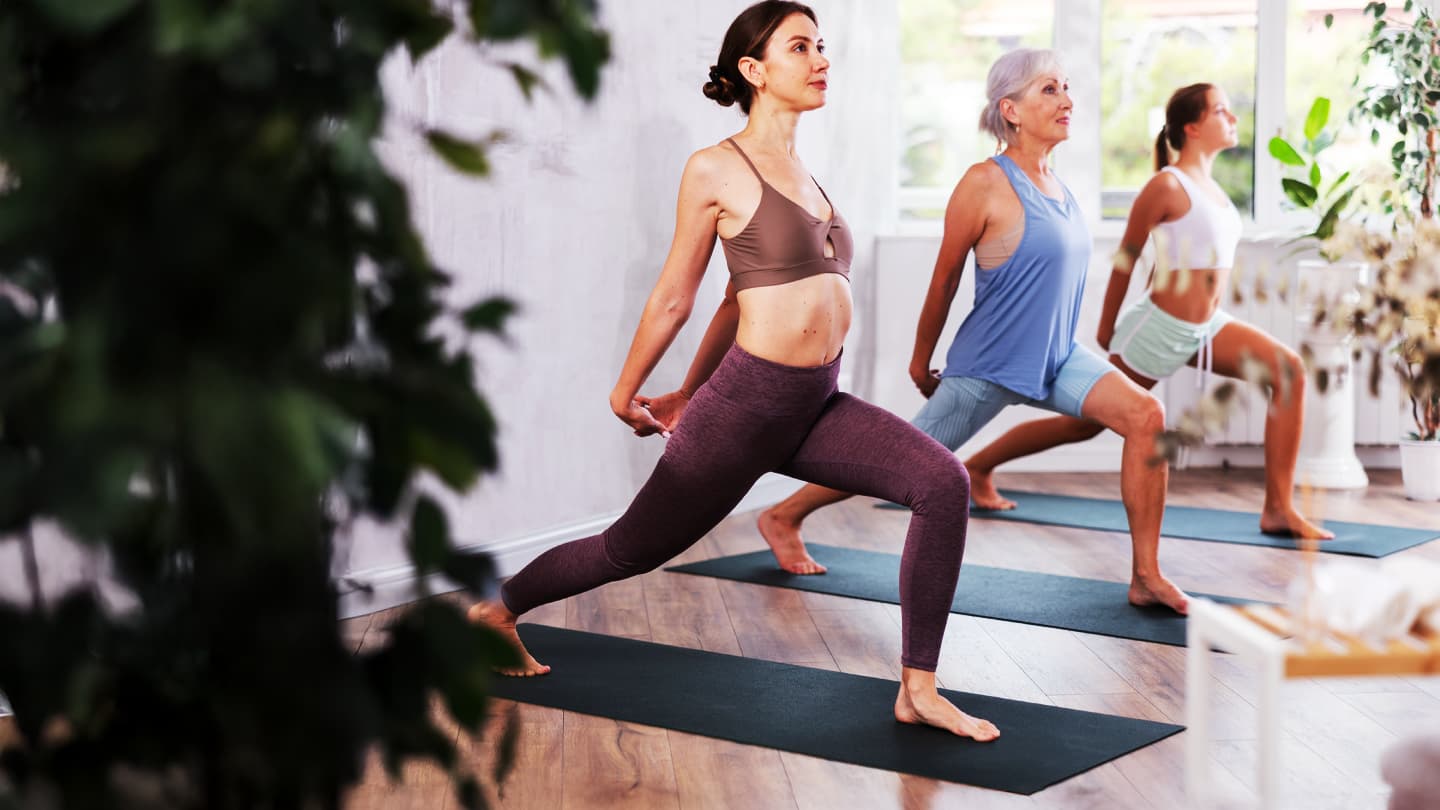
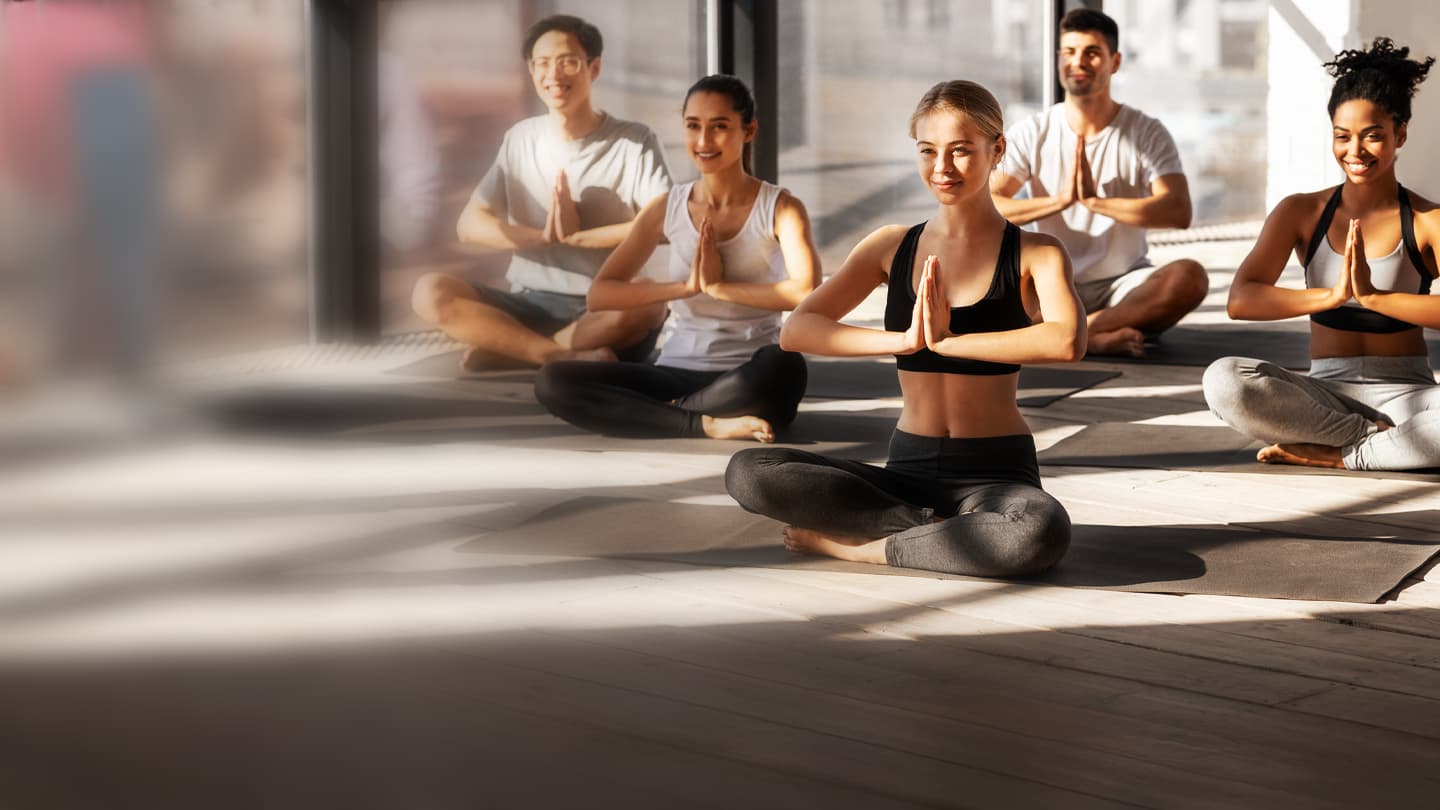
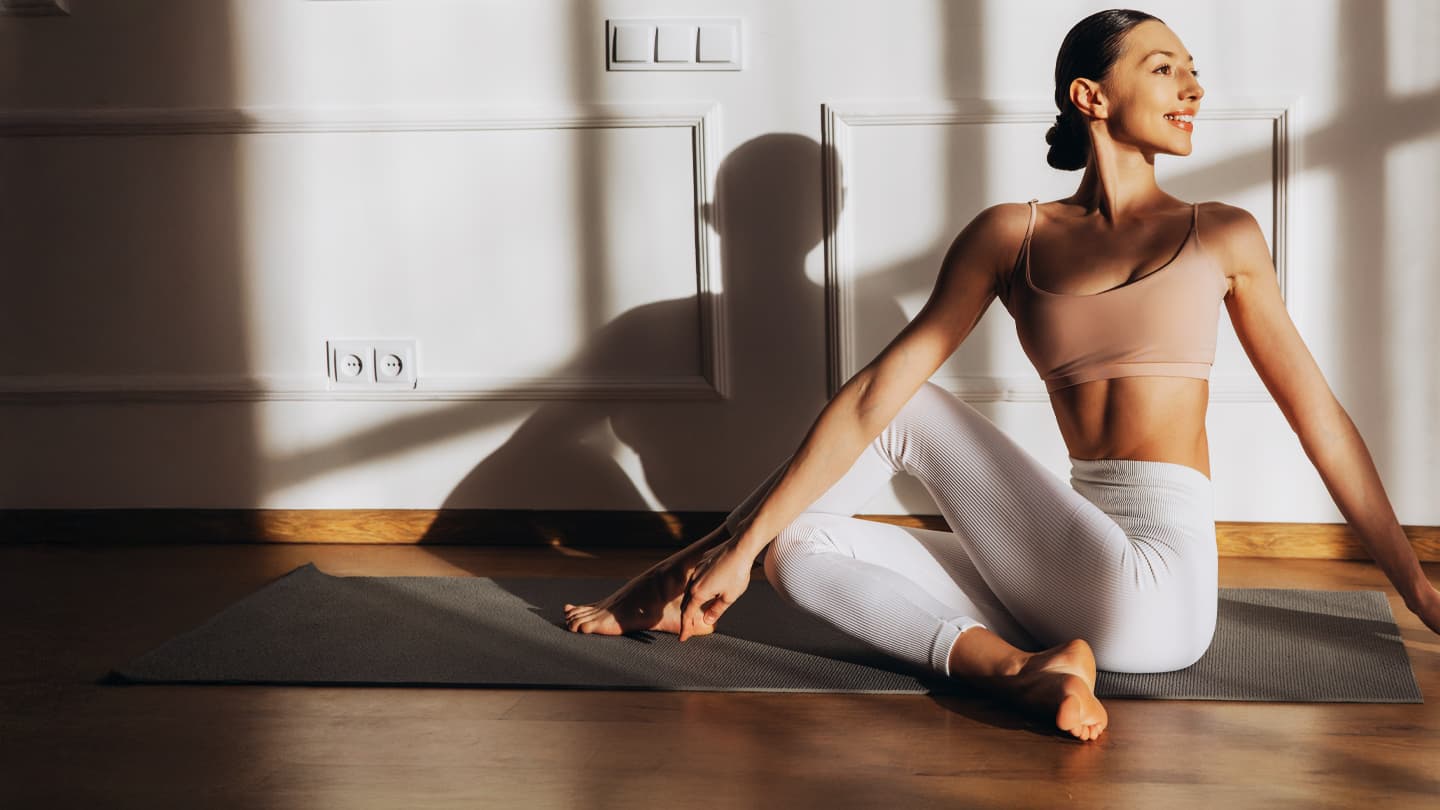
Yoga is more than a workout. It's a practice that brings your body and mind into balance through intentional movement, focused breathing, and moments of stillness. Whether you're stepping onto a mat for the first time or returning to a regular practice, a yoga class gives you a structured, supportive environment to show up exactly as you are.
Each session is designed to guide you through a sequence of postures and breathing techniques that work together. You don't need to be flexible, athletic, or experienced to benefit. You just need to show up and be willing to move at your own pace.
Yoga classes offer something that solo workouts or video tutorials often can't: a sense of shared energy, real-time guidance, and a dedicated space where the only thing on your agenda is the practice itself.
Over time, a regular yoga practice can support better posture, improved flexibility, reduced tension, and a greater sense of mental clarity. These aren't promises — they're the kinds of changes many people notice when they show up consistently and give themselves the space to practice.
One of the most welcoming things about yoga is how adaptable it is. Classes can range from gentle and restorative to more dynamic and physically engaging, depending on the style and level. Beginners are welcome. So are those returning after a break, those managing stress, and those simply looking for a mindful way to stay active.
You don't need to master every pose or keep up with anyone else in the room. A good yoga class creates space for every person to explore their own edge — not someone else's.
Yoga draws on a long tradition of practices that connect physical movement with breath and awareness. Modern yoga classes often blend this foundation with accessible, contemporary instruction — making the benefits of the practice available to people from all backgrounds and fitness levels.
Regular yoga practice is often associated with:
These outcomes develop gradually. A single class can already leave you feeling more grounded — and a consistent practice tends to build on that feeling over time.
Whether you're exploring yoga for the first time or looking for a class that fits your current lifestyle, this is a good place to begin. A yoga class is a low-barrier, high-return way to invest a little time in how you feel — physically, mentally, and in your daily rhythm.
Show up, breathe, move, and see what shifts. That's really all it takes to get started.
No previous experience is needed. Yoga classes are generally designed to be accessible, and beginners are welcome. You can move at your own pace and focus on getting comfortable with the basics before building further.
Comfortable, stretchy clothing that allows you to move freely is ideal. You don't need specialist gear — just something you feel at ease in during movement, bending, and floor-based postures.
This depends on the specific class or venue. Check the booking details for what is provided or recommended. If you're unsure, bringing your own mat is a safe default and ensures you have a familiar surface to practice on.
Many yoga styles can be adapted for different physical needs. If you have an injury or health concern, it's a good idea to mention it before the session so the instructor can offer appropriate modifications where possible.
Class length varies depending on the format and provider. Check the booking details for the specific session duration. Most classes include time for warm-up, the main practice, and a closing relaxation or cool-down.
You can expect a guided sequence of movements and breathing exercises in a calm, structured setting. The pace and style will depend on the class type, but most introductory sessions are designed to feel approachable and manageable from the start.
Yes, yoga can support physical fitness in a meaningful way. Depending on the style, it can build core strength, improve flexibility, and enhance body awareness. It works differently from high-intensity training but offers its own form of physical challenge and conditioning.
Consistency matters more than frequency. Even one or two sessions per week can lead to noticeable changes in how you feel over time. Many people find that showing up regularly — even briefly — builds momentum and makes the practice easier to maintain.
Many people find that yoga supports a calmer mental state through focused breathing, intentional movement, and the practice of staying present. While individual results vary, the combination of movement and breathwork is widely associated with reduced tension and improved focus.