What to Expect
- Get familiar with the board, bindings, and basic stance
- Push off, find your balance, and ride across the water
- Reflect on your run and see where you want to improve
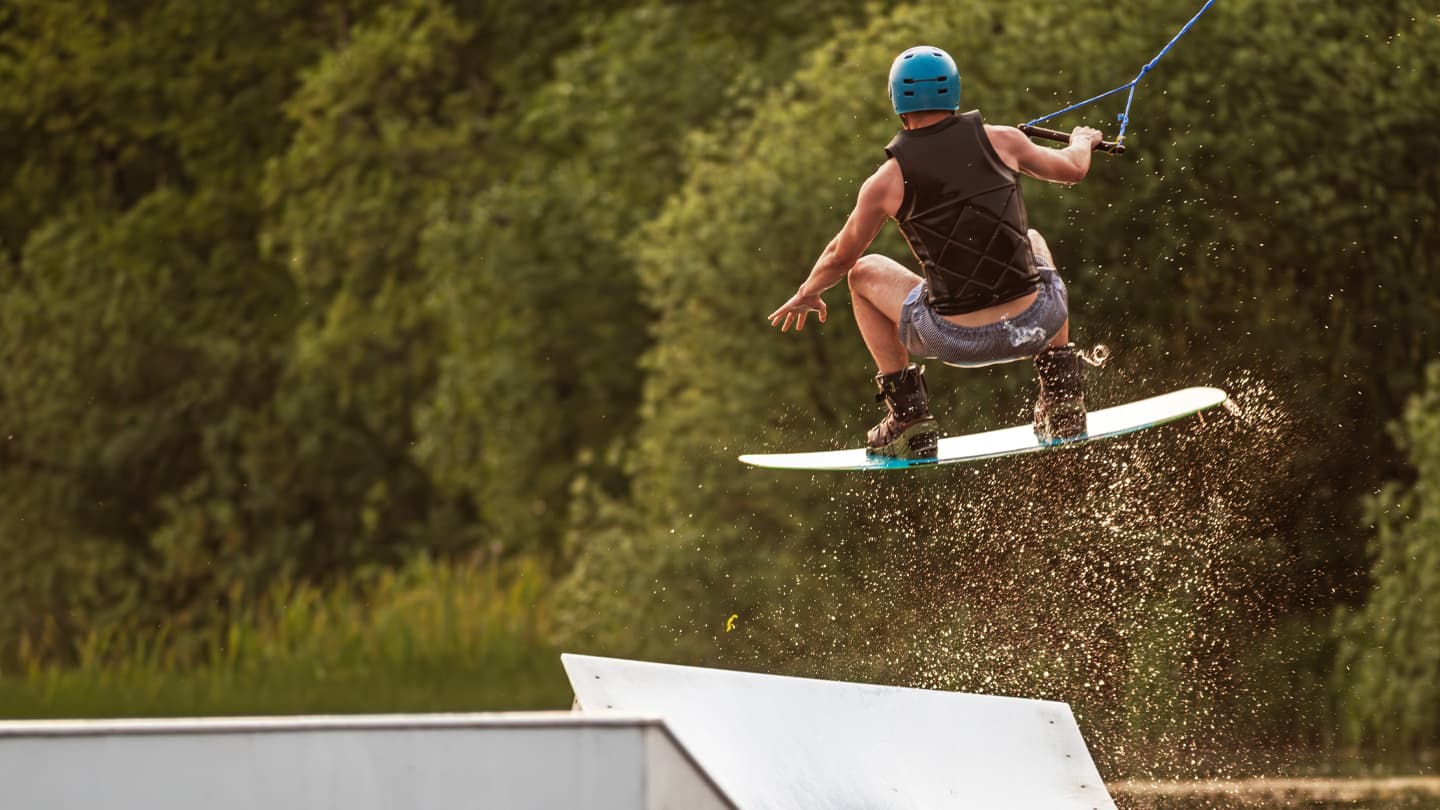
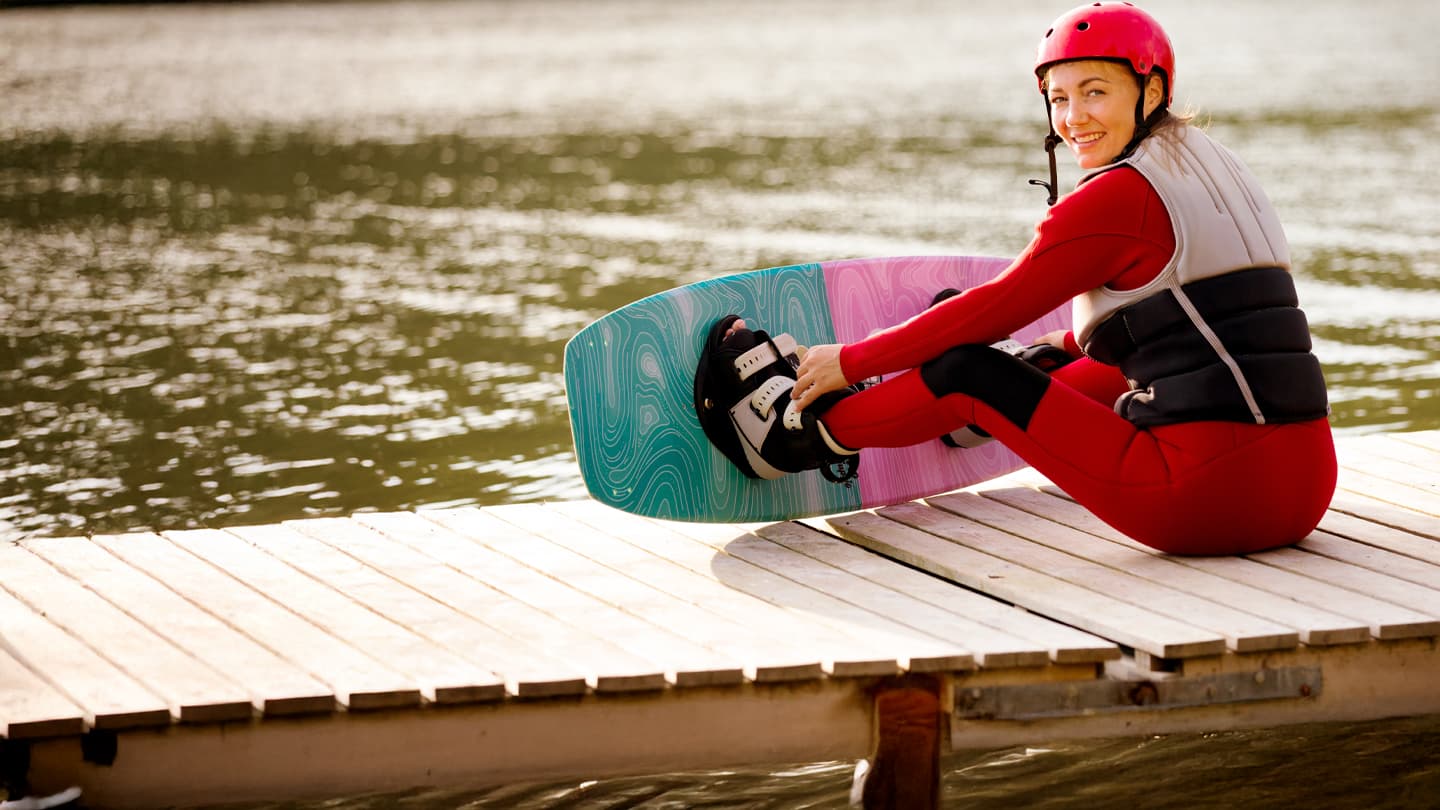
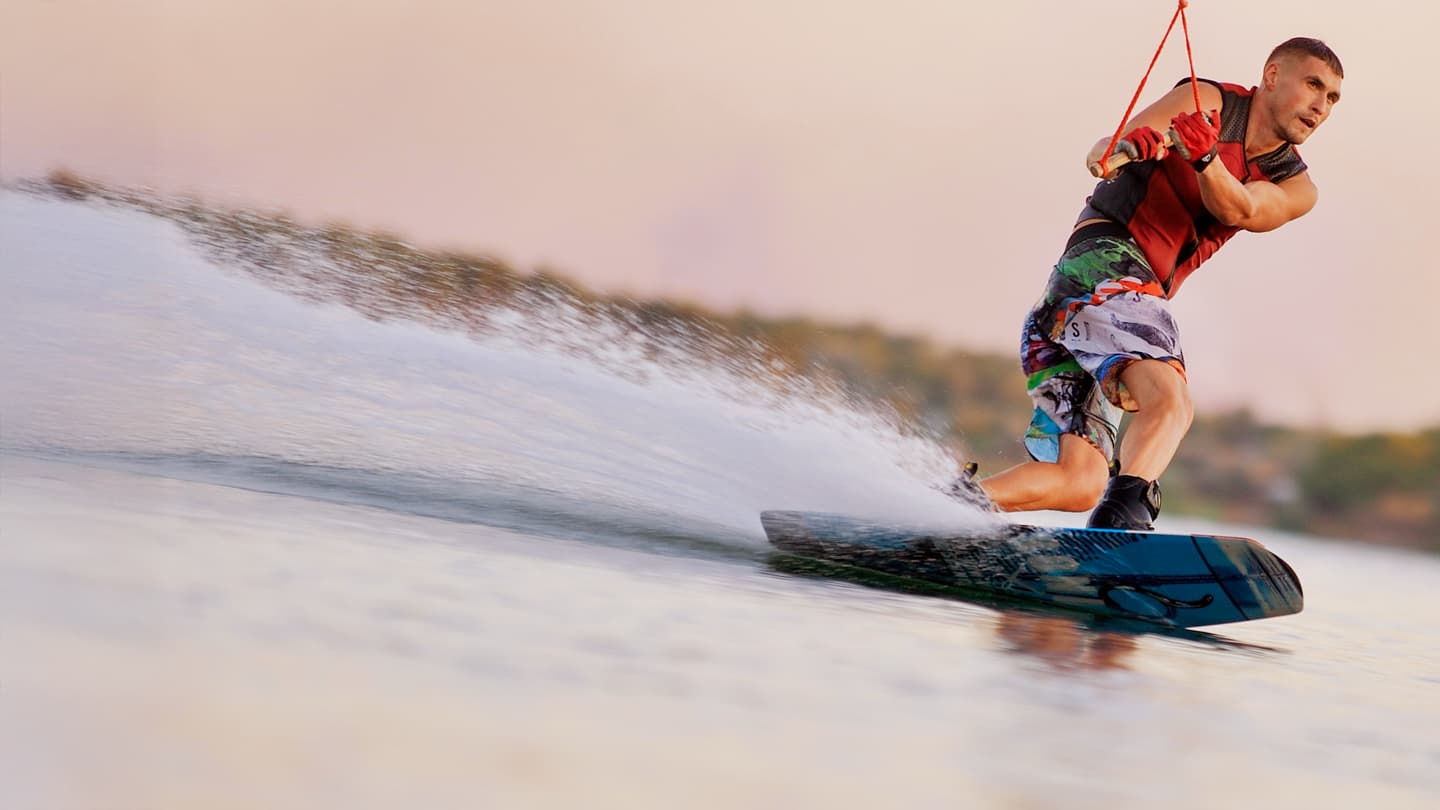
Wakeboarding is one of the most accessible and energizing water sports available today. You stand on a board, hold a tow rope, and use the pull and the wake to move across the water. It sounds simple, and in many ways it is. But it also rewards time and effort, giving you a clear sense of progression whether you are trying it for the first time or returning to sharpen your technique.
The appeal is broad. Some people come to wakeboarding for the physical challenge. Others are drawn by the social side, the open water, or simply the novelty of trying something different. Whatever brings you to it, the experience tends to leave a strong impression.
Compared to many water sports, wakeboarding has a relatively gentle learning curve at the entry level. Getting up on the board and finding your footing is achievable for most people with a bit of patience and the right guidance. Once you are comfortable on the water, the sport opens up in a number of directions. You can focus on clean riding, work on carving turns, or start exploring basic tricks when you feel ready.
The physical side is real. Wakeboarding engages your core, legs, and upper body, and it asks you to stay alert and responsive throughout. It is active without being exhausting, and the water environment adds a natural energy that makes the effort feel worthwhile.
Wakeboarding works well for a range of people. If you have never tried it before, the early stages of learning are part of the experience. Falling in is normal, getting up is satisfying, and finding your balance on the board for the first time is genuinely rewarding. You do not need prior board sport experience to enjoy it.
For those with some time on the water already, wakeboarding offers a clear path for developing technique. Working on stance, edge control, and timing gives you plenty to focus on, and small improvements tend to feel noticeable and motivating.
It also works well as a shared activity. Going with friends, a partner, or family adds a social layer that makes the whole session more enjoyable, with natural moments to cheer each other on, compare runs, and laugh at the inevitable spills.
Wakeboarding is a physical sport on open water, and safety is a practical part of the experience. A well-fitted life jacket and appropriate footwear through the board bindings are standard parts of any session. If you are new to the sport, taking time to understand the basics of safe riding before getting on the water is a sensible first step.
Gear matters more than it might seem at first. The right board size, binding fit, and rope length can all affect how comfortable and controlled your ride feels. If you are just starting out, using properly fitted equipment makes the learning process noticeably easier. When booking a wakeboarding experience, it is worth checking what equipment is provided and whether it suits your level.
If this is your first time, keep expectations realistic and focused on the basics. Getting up on the board, maintaining balance, and completing a clean run across the water are meaningful achievements at the start. Tricks and jumps come later, once the fundamentals feel natural.
Listening carefully to any instruction you receive before getting in the water will make a real difference. Small adjustments to body position, grip, and how you use the rope can change the experience significantly. Patience with yourself in the early stages pays off quickly.
If you enjoy active outdoor experiences, water-based activities, or simply want to try something that feels genuinely different from a typical day out, wakeboarding is worth considering. It combines physical engagement with the open-air setting of being on the water, and it offers a clear sense of achievement from the very first session.
Before booking, consider your comfort level in the water, any relevant physical considerations, and what kind of experience you are looking for. A session focused on learning the basics will feel very different from one designed for riders with existing skills, so choosing the right level for where you are now will make the experience more enjoyable.
No prior experience is needed to enjoy a beginner wakeboarding session. Most people start from scratch, and the early stages of learning are a natural part of the experience. Getting up on the board for the first time is an achievement in itself.
Comfort in the water is worth considering before you book. Check the specific requirements of the session you are looking at, as comfort levels and safety arrangements can vary. A life jacket is standard equipment in wakeboarding.
Comfortable swimwear or athletic clothing that you do not mind getting wet is a good starting point. Secure footwear is handled through the board bindings. Check with the provider in advance to confirm what is supplied and what you should bring.
Wakeboarding is an active sport that uses your core, legs, and upper body. It is energetic without being extreme, and most people find the physical effort manageable. Your fitness level will affect how quickly you progress, but you do not need to be an athlete to enjoy it.
Basic tricks become accessible once you are comfortable with balance and riding direction. In a first session, the focus is usually on getting up and maintaining control. With a bit of time and practice, simple moves start to feel within reach.
Yes, wakeboarding works well as a shared activity. Taking turns, encouraging each other, and spending time outdoors together makes the session more social and enjoyable. It suits groups of friends, couples, and anyone looking for an active day out.
A wakeboarding experience can make a memorable and active gift for someone who enjoys outdoor sports or wants to try something new on the water. It suits people who like physical challenges and open-air activities.
The core equipment includes a wakeboard, bindings that secure your feet to the board, a tow rope, and a life jacket. Properly fitted gear makes a real difference, especially for beginners. Check what is provided when you book your session.
Look at how the session is described and what level of rider it is aimed at. A beginner session will focus on fundamentals, while more advanced options assume existing skills. Choosing the right level for where you are now will make the experience more enjoyable.