What to Expect
- Get oriented and settle into the riding environment
- Work through technical terrain with guided practice
- Finish with a clearer sense of your riding progress
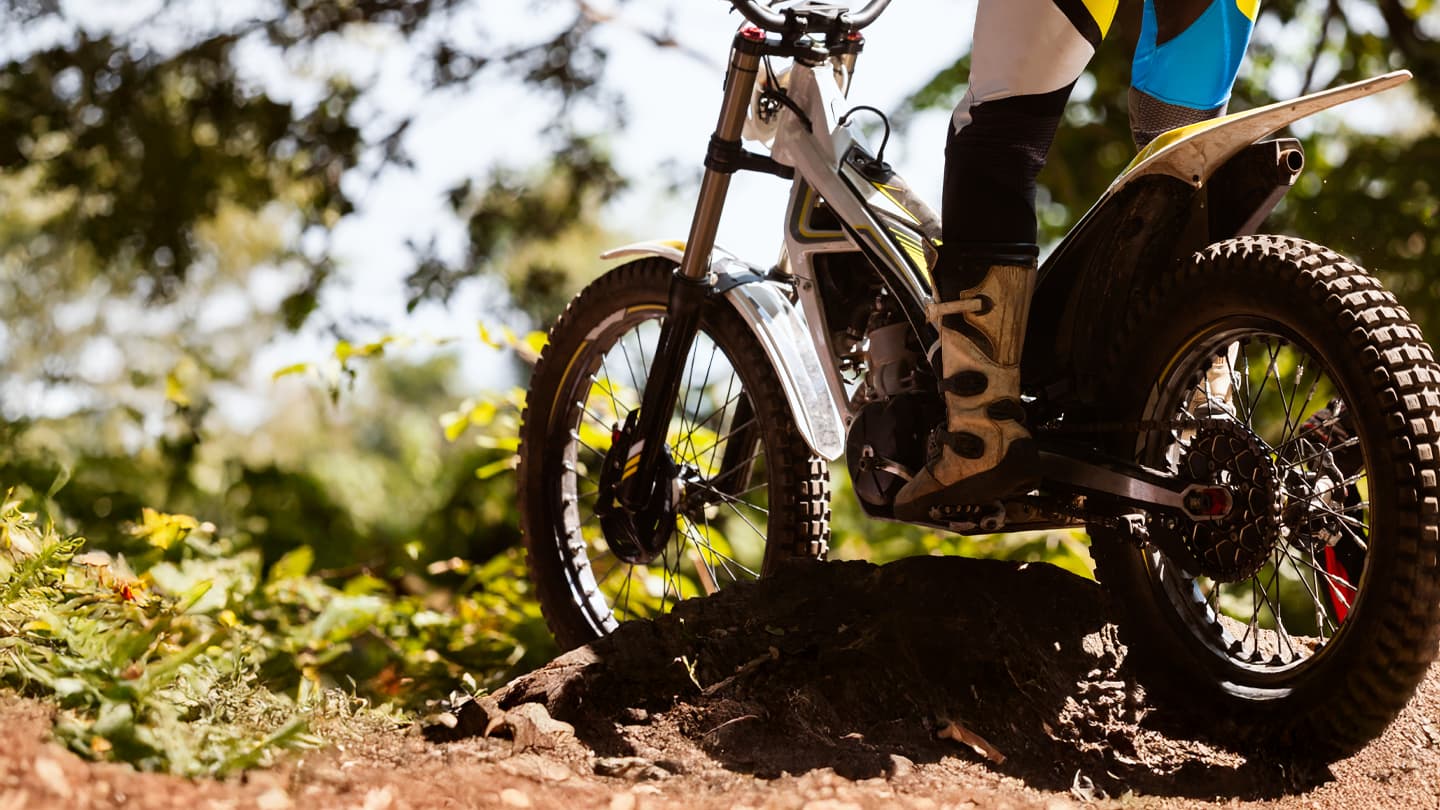
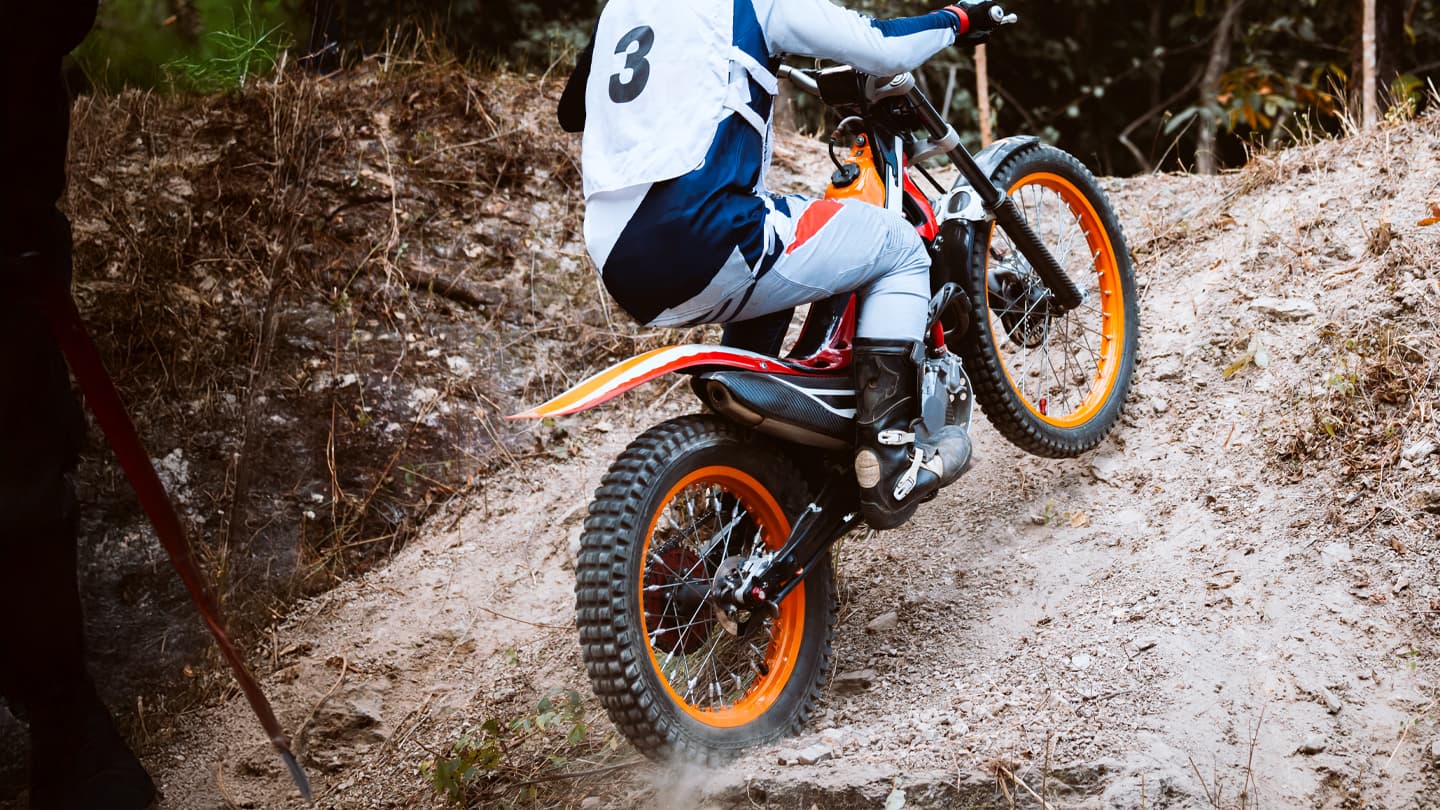
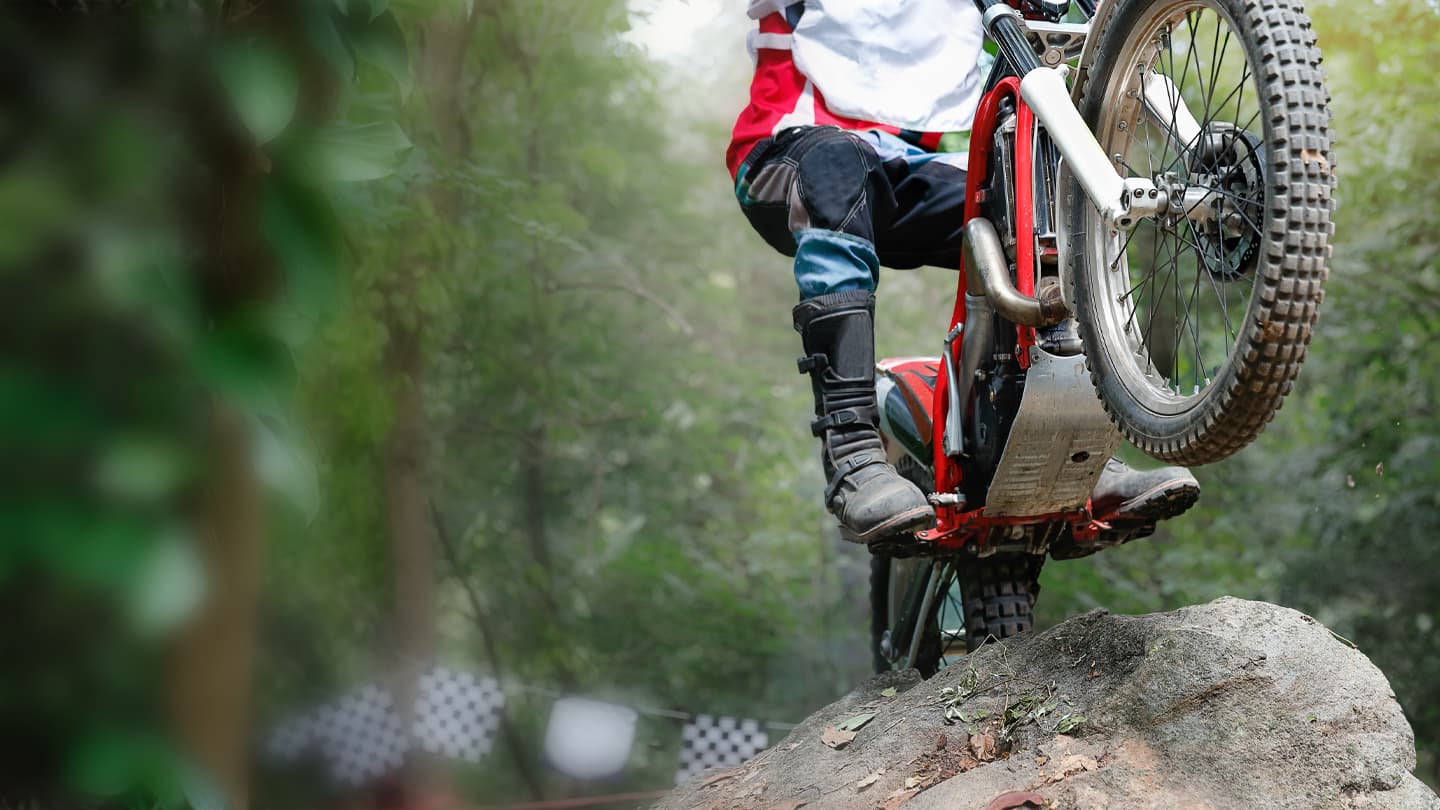
Trial bike riding is a discipline focused on low-speed control, balance, and precision over varied terrain. Unlike road riding or high-speed off-road disciplines, trial riding challenges you to navigate obstacles and uneven ground with technique rather than momentum. A trial motorbike park gives you a structured environment to explore this skill, whether you're stepping onto a bike for the first time or returning to sharpen what you already know.
The appeal of trial riding is that it rewards focus and gradual progress. There's no need for speed, and the learning curve tends to feel manageable when you have the right space and setup around you.
Trial motorbike parks tend to work well for a wide range of people. Beginners benefit from having a dedicated space where the terrain is designed with learning in mind and where there's room to make mistakes without pressure. Riders with some off-road background often find trial riding a useful way to develop finer control and technical awareness that carries over into other riding styles.
It also works well as a social activity, a one-off experience for someone curious about motorcycles, or a way to spend active time outdoors with a genuine skill component. You don't need to be a committed rider to enjoy it, and you don't need to have ridden before.
Before choosing a trial motorbike park, it's worth checking what the session structure looks like and whether it suits your current level. Some parks cater primarily to beginners and offer introductory formats, while others are set up for riders who already have a foundation and want to work on more technical sections.
If you've never ridden a trial bike before, look for sessions described as beginner-friendly or introductory. If you have some experience, check whether the terrain and format offer enough variety to keep the session engaging. Either way, arriving with realistic expectations and a willingness to focus on fundamentals tends to make the experience more useful.
Trial bikes are lighter and more maneuverable than most off-road motorcycles, and the riding style is built around slow, deliberate movement. This makes it an unusually accessible entry point into off-road motorcycling, even for people who have never been on a motorbike before.
The focus on technique rather than speed also means that progress feels tangible. Small improvements in balance, throttle control, and body position become noticeable quickly, which makes the activity satisfying even in a short session. It's a discipline where paying attention pays off.
Coming in with an open mindset and a focus on the basics tends to produce better results than trying to push through difficult sections too quickly. Trial riding rewards patience, and most riders find that slowing down and working on fundamentals leads to faster overall progress.
Wearing appropriate clothing and footwear is worth thinking about in advance. Comfortable, flexible clothing and sturdy boots make a practical difference when you're navigating terrain on foot or adjusting your position on the bike. Check the specific requirements of the park or session you're booking to make sure you're prepared.
A trial motorbike park offers something that's harder to find in more passive activities: a clear skill to work on, visible progress, and a physical environment that keeps you engaged. For anyone drawn to motorcycles, outdoor challenges, or hands-on learning, it's a format that tends to deliver a satisfying and memorable session.
Whether you're booking for yourself, as a gift, or as part of a group outing, a trial bike experience is a practical choice for anyone who wants to try something genuinely different and leave with a new skill to build on.
No previous experience is required for most trial motorbike park sessions. Beginner-friendly formats are designed to introduce the basics from the ground up, so you can focus on learning at a comfortable pace without needing a riding background.
Trial riding focuses on low-speed balance and technical precision over varied terrain rather than speed or distance. It uses lighter, more maneuverable bikes and rewards control and focus, making it accessible for newcomers and interesting for experienced riders.
Yes, trial riding is often considered one of the more accessible entry points into off-road motorcycling. The low speeds and focus on technique mean that first-timers can make meaningful progress in a single session with the right guidance and setup.
Comfortable, flexible clothing and sturdy boots are a practical starting point. Some parks may have specific gear requirements or provide equipment on-site. Check the details of your specific session before arriving to make sure you're prepared.
A trial motorbike park session can work well as a gift for someone curious about motorcycles or outdoor activities. It's a hands-on, skill-based experience that tends to feel memorable, especially for people who enjoy active or adventurous days out.
If you haven't ridden a trial bike before, a beginner session is generally the right starting point. These sessions are designed to introduce the fundamentals without assuming prior knowledge, so you can build a foundation before progressing to more technical terrain.
Yes. Riders with some off-road background often find trial riding a useful way to develop finer control and technical awareness. Parks with varied terrain sections can offer a meaningful challenge for those who already have a foundation in off-road riding.
Arriving with an open mindset and realistic expectations is a good start. Focus on learning the basics rather than pushing through difficult sections too quickly. Wearing appropriate clothing and checking any specific requirements in advance will also help your session go smoothly.
Trial riding requires focus, balance, and body awareness, but it's not primarily about physical strength or fitness. Most people find it manageable at a beginner level, though the level of physical effort can increase as you tackle more technical terrain or longer sessions.