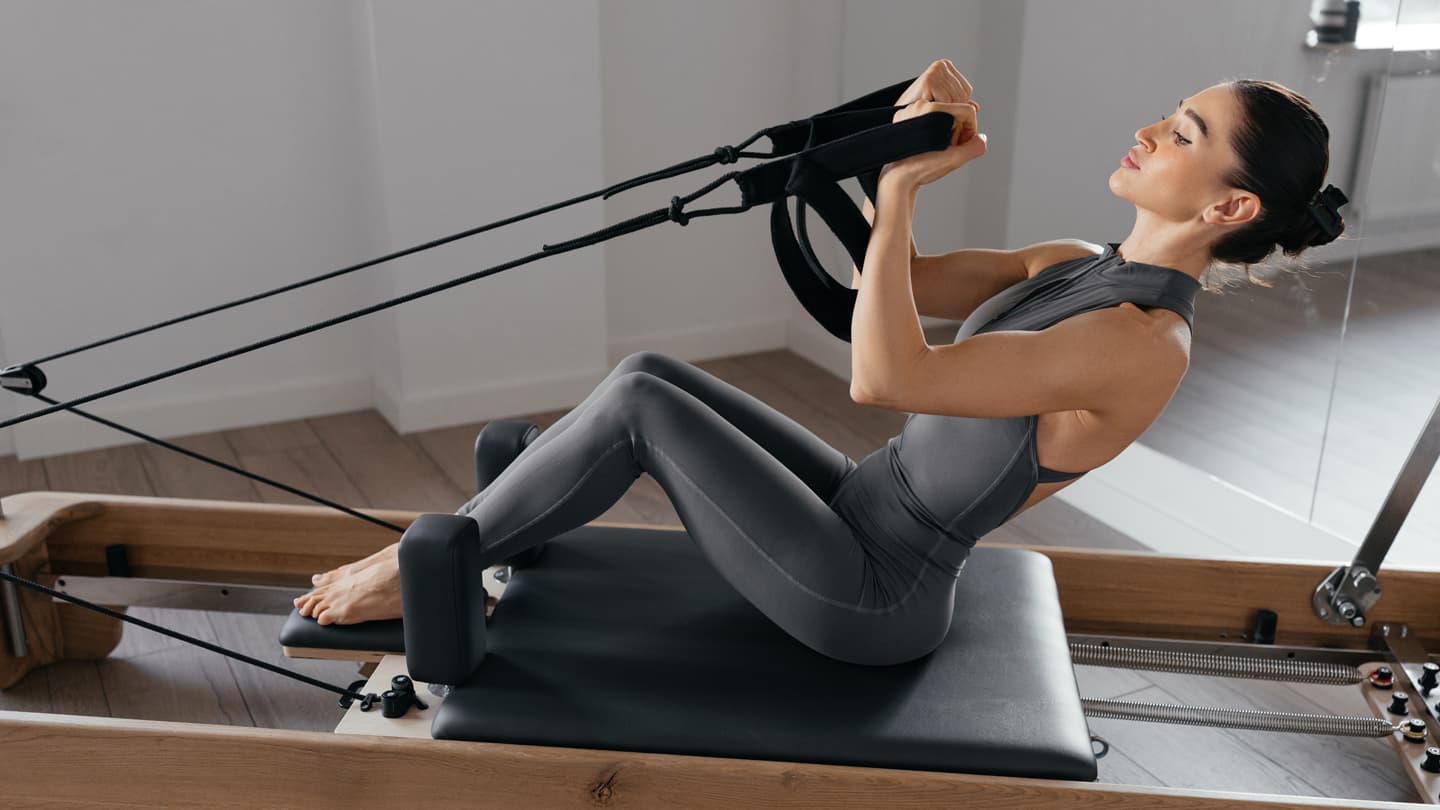
What to Expect
- Arrive, share your goals and get a quick assessment
- Work through a session tailored to your fitness level
- Finish with feedback and a sense of your next steps

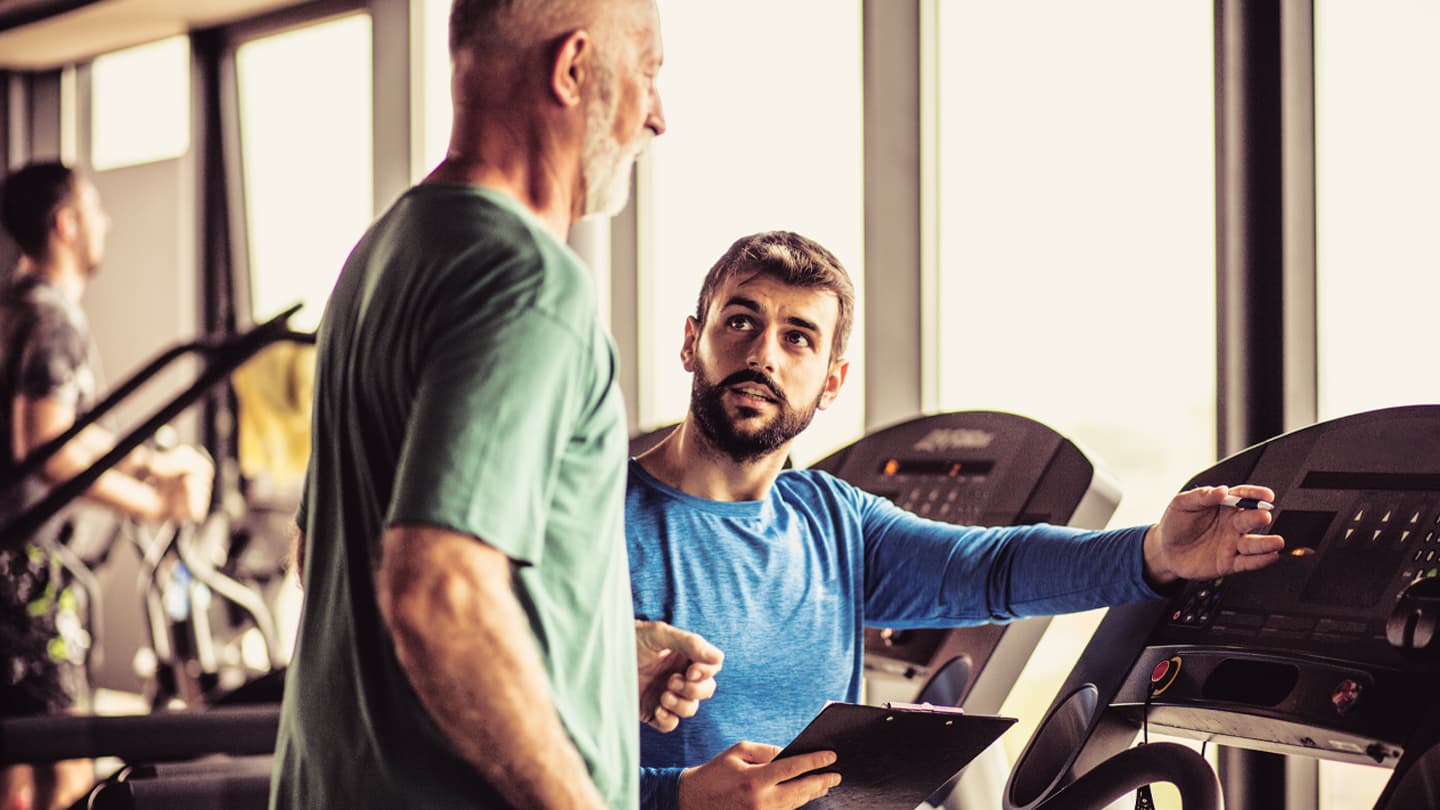
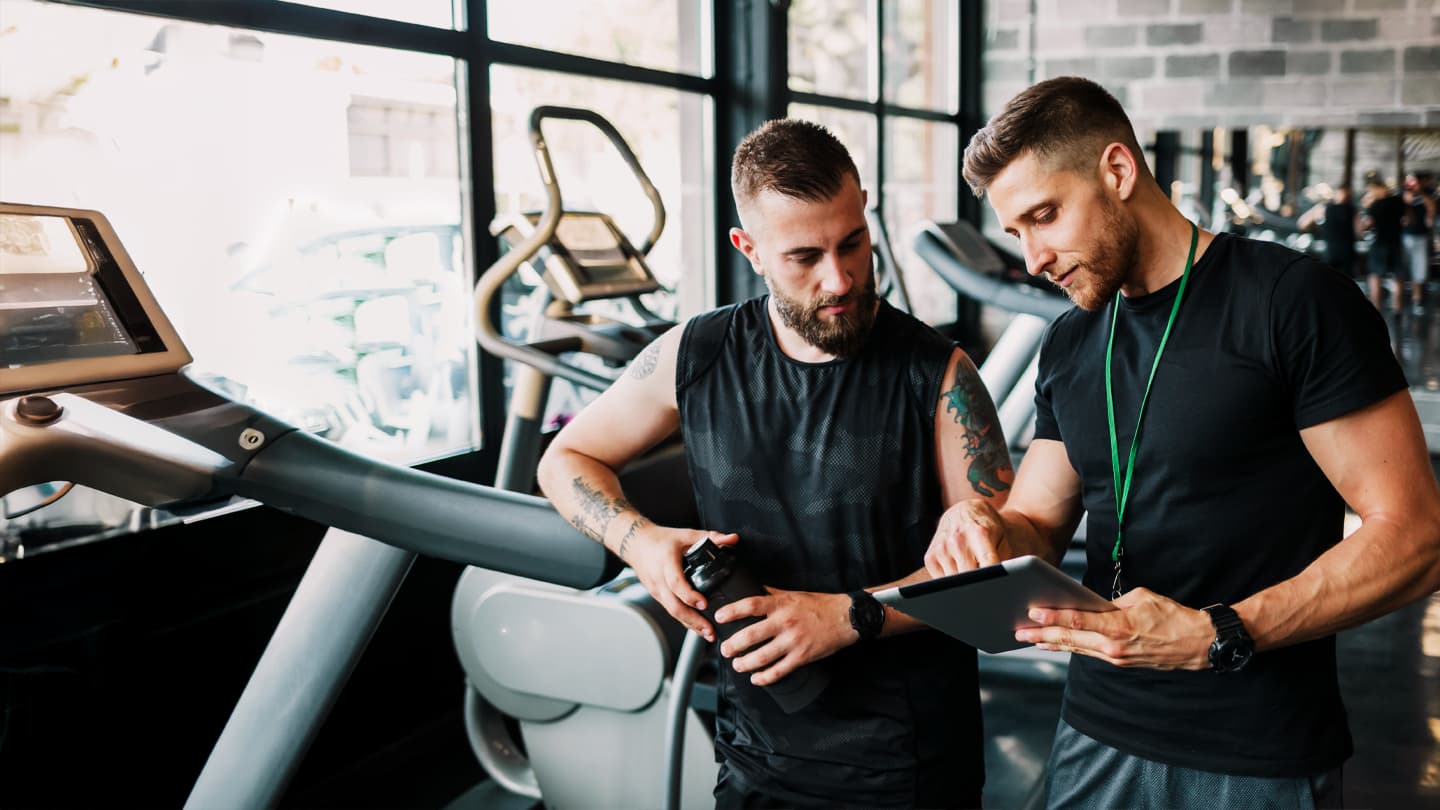
Personal training is a one-on-one approach to fitness where the session is built around you. Instead of following a generic class format or figuring out a gym routine on your own, you work with a trainer whose full attention is on your progress. That shift in focus makes a real difference, especially if you've struggled to stay consistent, felt unsure about technique, or simply want to make the most of your time.
Whether your goal is to build strength, improve your conditioning, lose weight, or just move more confidently, personal training gives you a structured path to get there. Sessions are typically designed around your current fitness level, your schedule, and what you want to achieve, so the work you put in has a clear direction.
Group classes and self-directed gym sessions have their place, but they come with limits. In a group setting, the format is fixed and the pace is shared. On your own, it's easy to default to what feels comfortable rather than what moves you forward. Personal training changes that dynamic.
With one-on-one training, the focus stays on your form, your effort, and your progress. Adjustments happen in real time. If something isn't working, it gets corrected. If you're ready to progress, the session adapts. That kind of responsiveness is hard to replicate in any other fitness format, and it's one of the main reasons people choose personal training when they're serious about results.
Personal training isn't reserved for athletes or people who already know their way around a gym. It's a practical option for anyone who wants a clearer, more supported approach to fitness.
Personal training also works well as a gift for someone who's been thinking about starting a fitness routine but hasn't known where to begin. It removes the guesswork and gives them a clear, supported first step.
Before booking a personal training session, it helps to have a rough idea of what you're hoping to work toward. You don't need a detailed fitness plan, but knowing whether your focus is on strength, cardio, flexibility, weight management, or general fitness will help your trainer shape the session more effectively from the start.
It's also worth thinking about your current activity level and any physical considerations that might affect how you train. A good trainer will ask about these things, but coming in with some awareness of your own starting point helps the first session feel more productive and less like a general intake.
Personal training tends to deliver the best results when you approach it consistently. A single session can be valuable, especially as an introduction or a one-off reset, but the real benefits build over time as your trainer gets to know how you move, what motivates you, and where your progress is heading.
Showing up ready to work and being honest about what feels challenging or unclear will help your trainer support you more effectively. Personal training is a collaborative process, and the more open you are about your experience, the more the sessions can be shaped around what actually helps you.
Not every trainer works the same way, and finding one whose style fits yours matters. Some trainers focus heavily on performance and intensity, while others prioritize technique, mobility, or gradual progression. When you're exploring options, it's worth considering what kind of coaching style tends to keep you engaged and what environment helps you feel comfortable working hard.
Personal training is an investment in your time and energy, so taking a moment to find a good fit before committing to a longer program is a reasonable step. Many trainers offer an introductory session or a brief consultation, which can give you a clearer sense of whether the approach feels right for you.
No prior fitness experience is needed. Personal training is designed to meet you where you are, whether you're brand new to exercise or returning after a long break. Your trainer can build a starting point that feels manageable and appropriate for your current level.
In a group class, the format and pace are shared across everyone. Personal training focuses entirely on you, your form, your goals, and your progress. Adjustments happen in real time, and the session can adapt as you develop, which makes it a more targeted approach.
Personal training can support a wide range of goals, including building strength, improving conditioning, managing weight, developing better movement habits, or simply becoming more consistent with exercise. Sessions are typically shaped around what matters most to you.
Come with a general idea of what you'd like to work toward and be ready to share your current activity level. Wear comfortable workout clothes and bring water. You don't need to have everything figured out before you arrive. Your trainer will guide you through the rest.
Yes. Personal training is especially useful for beginners because it provides clear guidance from the start, helps you build good habits early, and reduces the risk of injury that can come from learning technique on your own. It takes the guesswork out of getting started.
It often can. A trainer can look at what you've been doing, identify where things may have stalled, and introduce new structure or challenges. Having an outside perspective on your training is one of the most effective ways to break through a plateau.
It can be a thoughtful gift for someone who's been thinking about starting a fitness routine but hasn't taken the first step. It gives them a supported, low-pressure way to begin and removes the uncertainty of figuring out where to start on their own.
Consider what coaching style tends to keep you motivated and whether the trainer's approach matches your goals and personality. Many trainers offer an introductory session or brief consultation, which can help you get a sense of whether the working relationship feels right before committing further.
Frequency depends on your goals, availability, and current fitness level. While a single session can be a useful starting point, consistent sessions over time tend to produce more meaningful progress. Your trainer can help you think through a realistic schedule that fits your life.