What to Expect
- Arrive, get equipped, and receive a safety briefing
- Work through elevated obstacles at your own pace
- Finish with a sense of achievement and shared stories
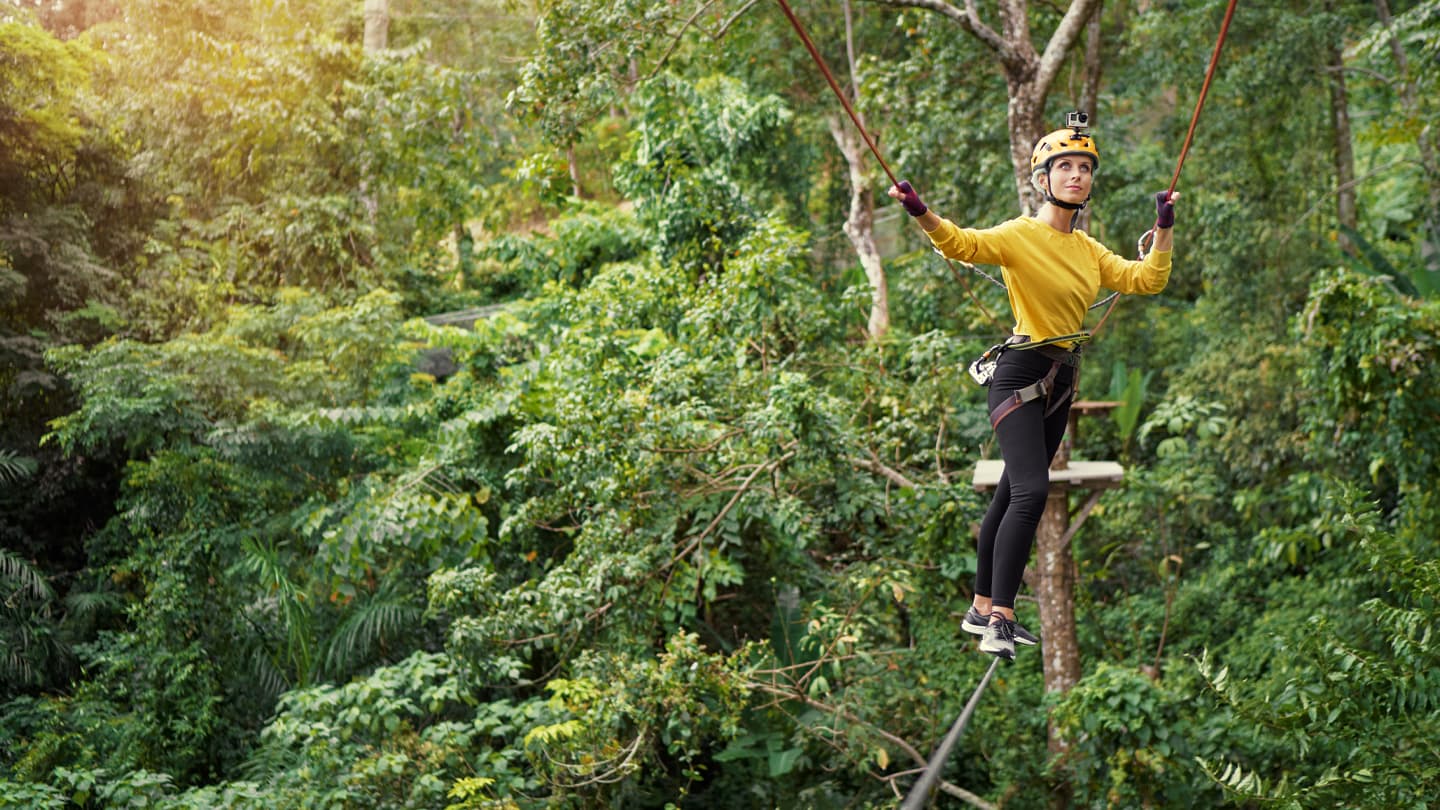
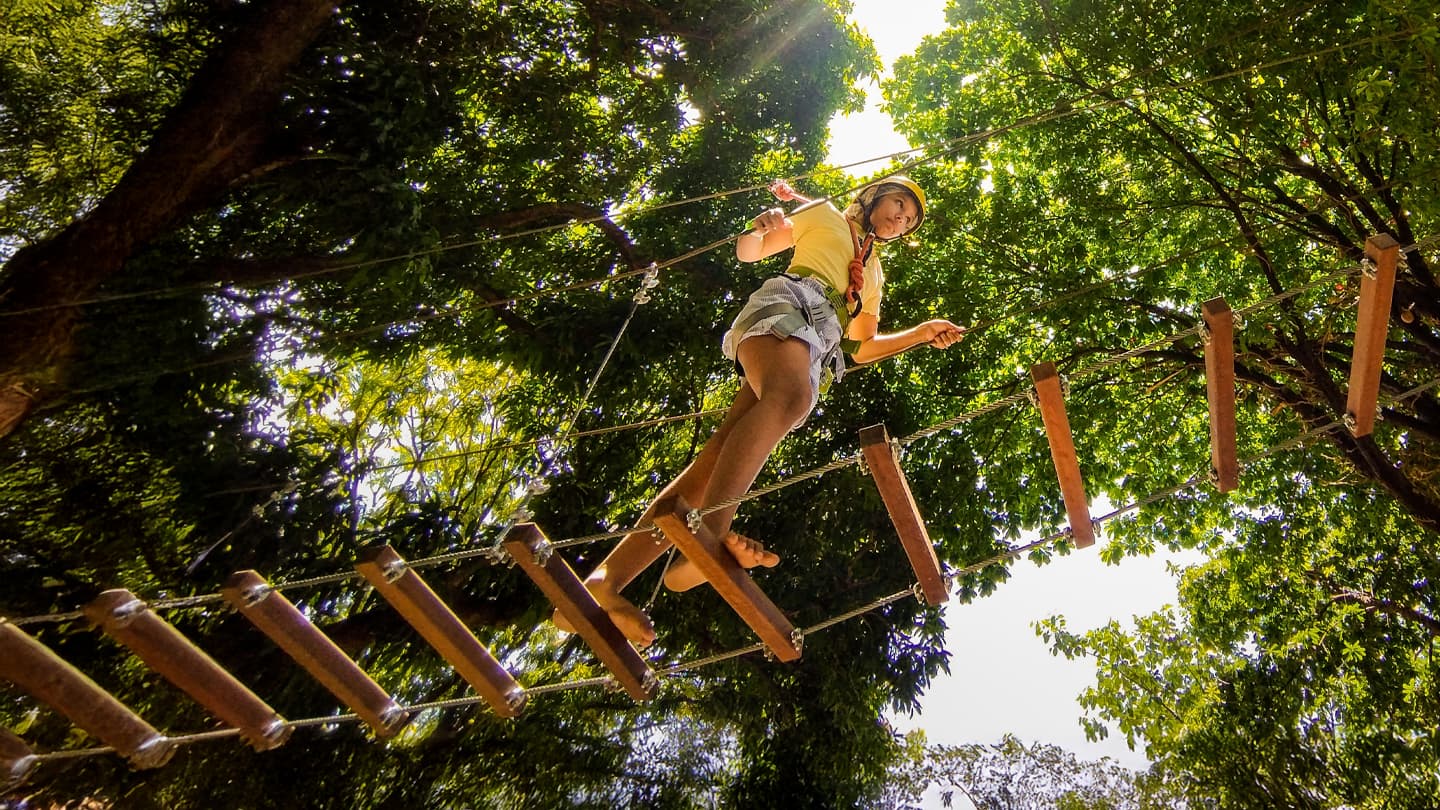
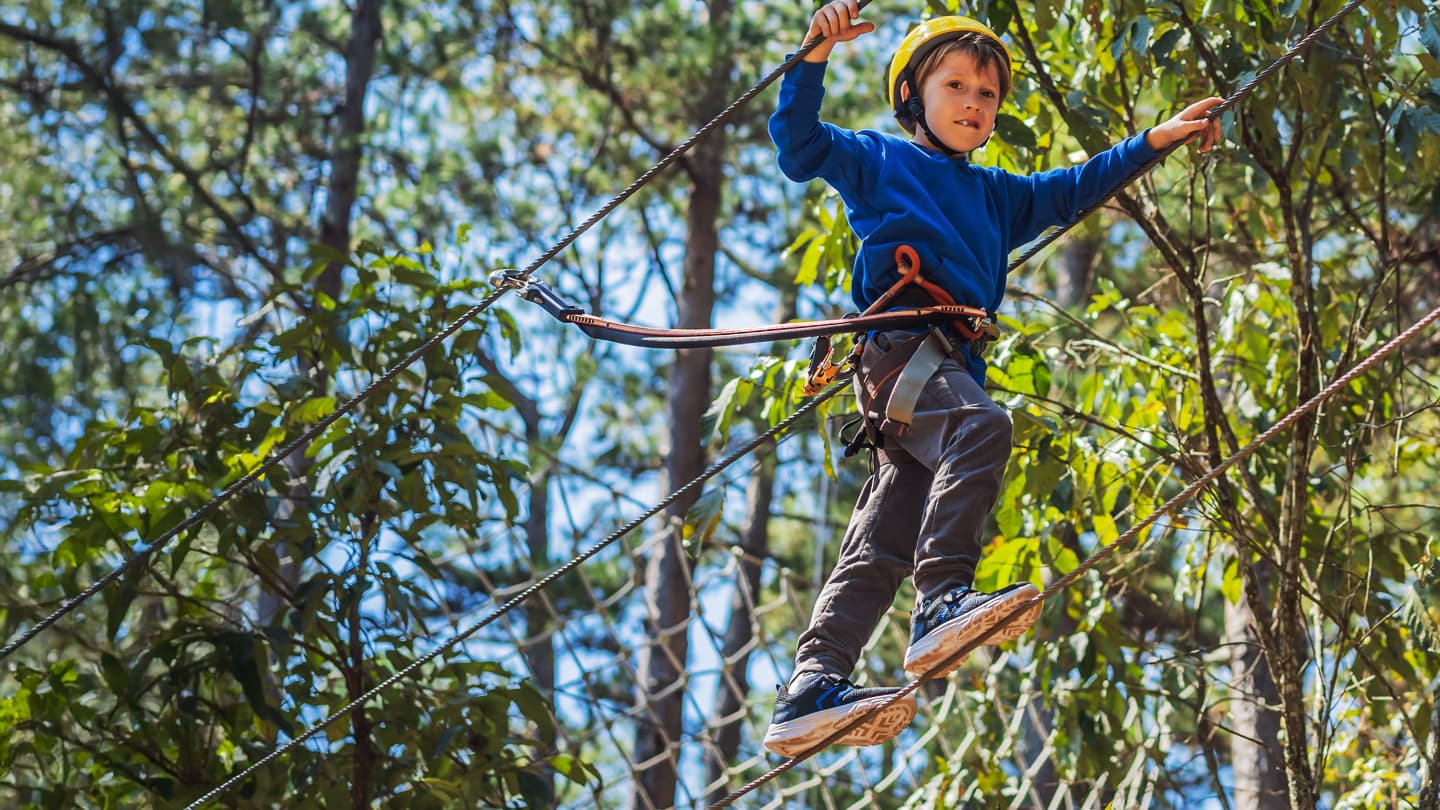
A high ropes course is an elevated obstacle experience set in an outdoor environment, typically among trees or purpose-built structures. You move through a series of aerial challenges that test your balance, coordination, and nerve. It is physical, engaging, and genuinely rewarding when you work through something that felt difficult at first.
Unlike many outdoor activities, a high ropes course asks something real of you. Each element requires focus and a degree of commitment. That combination of mental and physical effort is part of what makes it feel worthwhile, whether you are there for the personal challenge, a group day out, or simply a reason to spend time outside doing something active.
Many outdoor experiences are passive. A high ropes course is not. You are actively involved at every stage, making decisions, managing your own pace, and working through obstacles that vary in difficulty. The elevated setting adds a layer of intensity that keeps you present and focused throughout.
For those who enjoy adventure activities, it offers a clear sense of progression. For those who are less experienced with heights or physical challenges, it can be a genuine confidence-builder. The experience tends to feel different for everyone, which is part of what makes it broadly appealing across age groups and fitness levels.
A high ropes course works well as a group activity. Whether you are planning a day out with friends, a family visit, a team-building event, or a celebration, the format naturally encourages support, communication, and shared effort. Watching someone in your group work through a tough element, and cheering them on, is a reliable way to bring people together.
Group dynamics tend to shift in interesting ways on a ropes course. People who might hold back in other settings often find a different gear when the challenge is physical and immediate. That makes it a useful format for teams looking for something more engaging than a standard group activity.
High ropes courses attract a wide range of participants. Adults looking for an active outdoor challenge, families with older children, groups of friends planning something memorable, and corporate teams seeking a hands-on activity are all common visitors. The experience does not require a specific fitness level or prior experience with climbing or heights, though a basic level of physical activity and a willingness to engage with the challenge will help.
If you are unsure whether it is right for you, the best approach is to check the booking details for any specific requirements and think about whether you enjoy physical activity and outdoor settings in general. Most people who try a high ropes course find it more manageable than they expected, and more satisfying than they anticipated.
Arriving prepared makes a difference. Comfortable clothing that allows free movement, closed-toe shoes with good grip, and a willingness to listen carefully to any safety briefing will set you up well. Most high ropes experiences include a safety introduction before you begin, so you will have the information you need before you get started.
It is also worth thinking about your own pace. A ropes course is not a race. Taking your time on each element, focusing on your footing and grip, and moving at a speed that feels controlled will make the experience safer and more enjoyable. If you are visiting with a group, agreeing in advance to support each other rather than push each other will usually lead to a better day for everyone.
High ropes courses vary in format, difficulty level, and setting. Some are designed primarily for adults, others welcome families and younger participants. Some focus on individual challenge, others are built around team-based elements. Before booking, it is worth reviewing the available details to understand what level of difficulty is on offer, whether the format suits your group, and what to expect in terms of physical demands.
If you are booking for a group with mixed experience levels, look for a course that offers varied difficulty across its elements. That way, everyone can find something that feels challenging without the experience becoming inaccessible for those who are newer to this type of activity.
No previous experience is required unless the booking details state otherwise. High ropes courses are generally designed to be accessible to newcomers, with safety guidance provided before you begin. A basic level of physical fitness and a willingness to engage with the challenge is usually enough to get started.
Many people who are cautious about heights still enjoy a high ropes course. The experience is structured so you can move at your own pace, and being at height while focused on an obstacle often feels different from simply standing at the edge. Checking the course details and starting on lower elements can help you ease in gradually.
Comfortable clothing that allows free movement works best. Closed-toe shoes with good grip are strongly recommended. Avoid loose items such as scarves or large jewelry that could catch on equipment. Check the booking details for any specific clothing or footwear requirements before your visit.
Yes. A high ropes course works well for groups of friends, families, and work teams. The format naturally encourages support and communication, and sharing the challenge together tends to make the experience more memorable. It is a practical choice for team-building days or group celebrations.
A high ropes course can make a genuinely memorable gift for someone who enjoys outdoor activities, physical challenges, or adventure experiences. It works well for birthdays, celebrations, or as a shared activity for two people or a group looking for something active and engaging.
The level of physical demand depends on the specific course and the elements you choose to attempt. Most courses offer a range of difficulty, so you can adjust your experience to your own fitness and comfort level. It is an active experience that requires balance, grip, and movement, but it is not typically an extreme endurance activity.
Reviewing the booking details before you commit is the best approach. Look for information on age or height requirements, difficulty levels, and whether the course suits individual visitors or groups. If you are unsure, reaching out to the provider directly with your specific questions is always a good step.
High ropes courses are designed with safety as a core part of the experience. Participants are typically equipped with harnesses and safety gear, and a briefing is usually provided before the activity begins. Following the safety instructions and moving at a controlled pace are the most important things you can do to keep the experience safe and enjoyable.