What to Expect
- Settle in and get introduced to clay and tools
- Explore shaping and forming at your own pace
- Finish with a piece you shaped from start to end
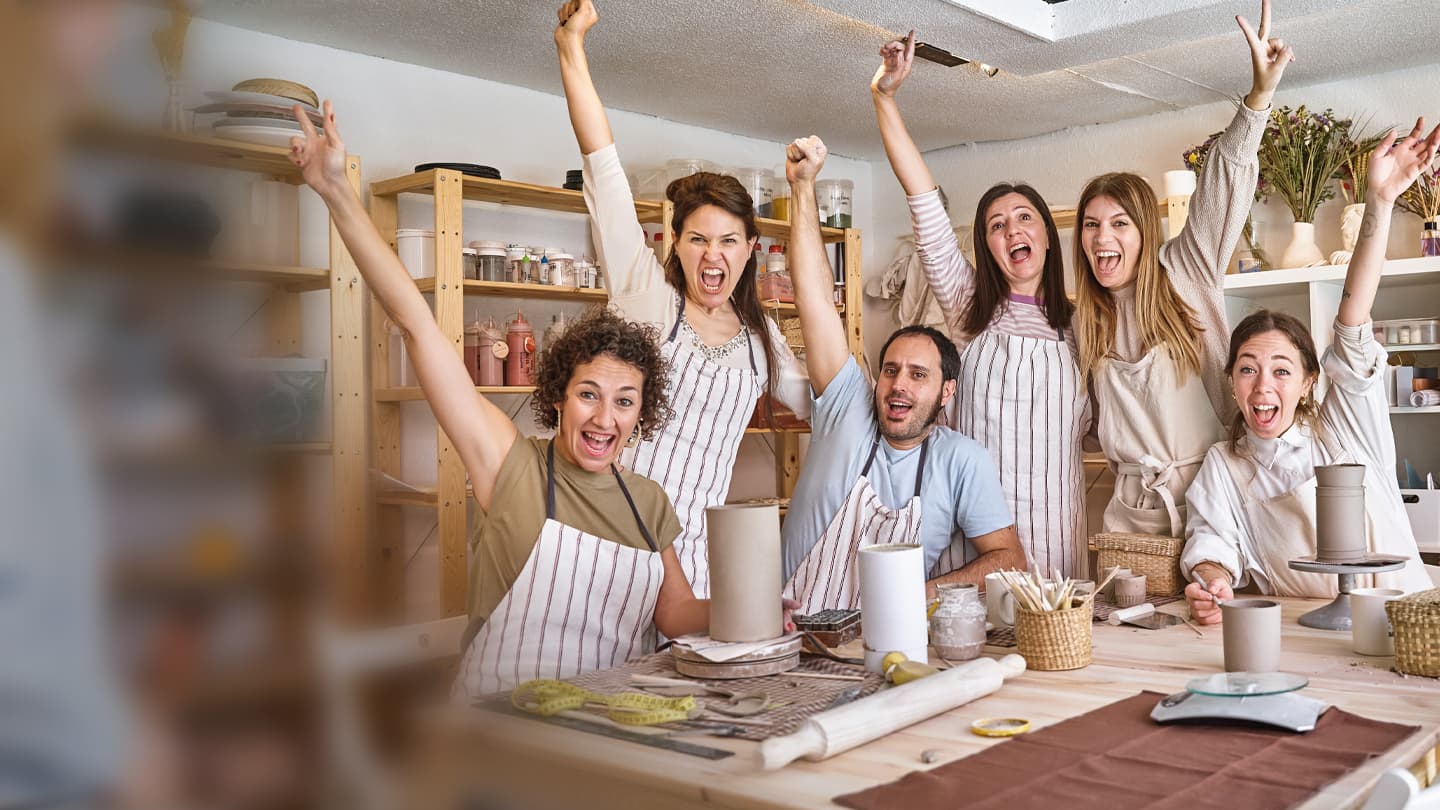
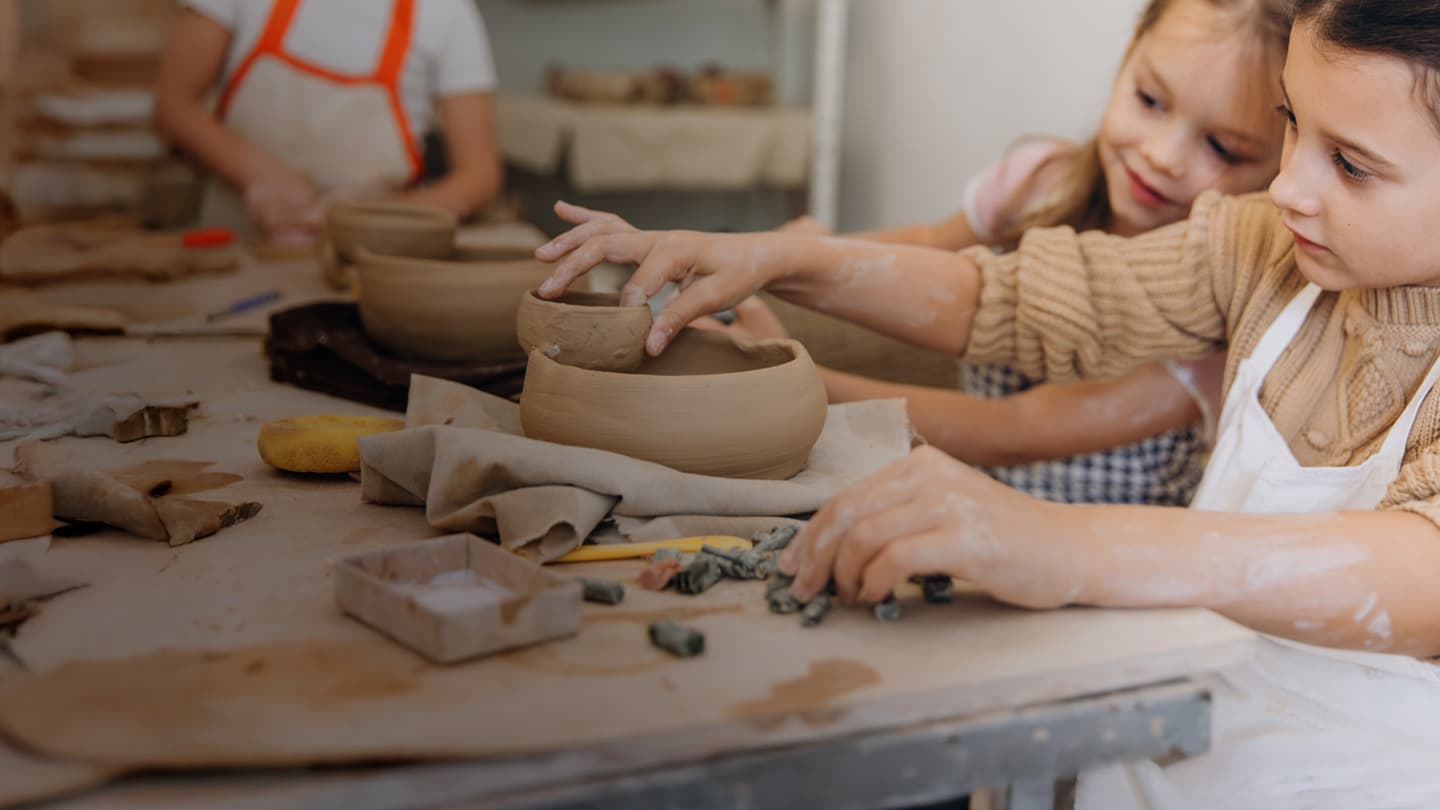
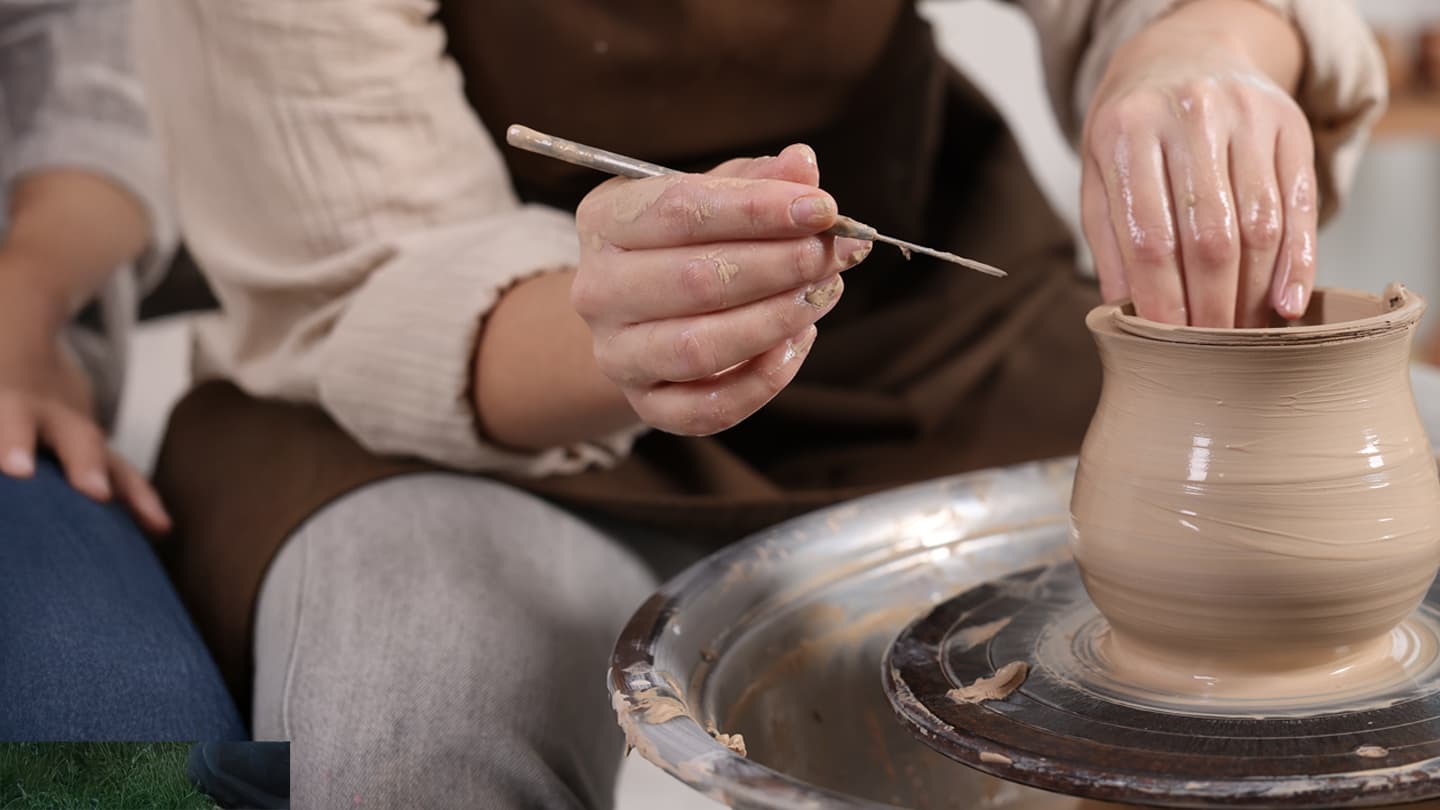
In a world that moves fast, there is something deeply satisfying about sitting down with a lump of clay and shaping it into something with your own hands. A ceramics and pottery class gives you exactly that — a focused, hands-on experience where the process matters just as much as the result.
Whether you have never touched clay before or you are returning to a craft you once loved, this kind of class offers a calm and structured environment to explore, experiment, and create without pressure.
Ceramics and pottery classes typically involve direct engagement with clay — learning how to center it, shape it, and bring a form to life through your hands. Depending on the session, you may work on hand-building techniques, wheel throwing, or a combination of both.
Each of these approaches builds a different kind of awareness — of material, of movement, and of your own creative instincts. You do not need to arrive with a plan. The clay will guide you.
Unlike drawing or painting, ceramics is fully tactile. You feel every change as it happens. The material pushes back, responds, and sometimes surprises you. That unpredictability is part of what makes it so engaging.
Many people find that working with clay has a calming, almost meditative quality. The focus required to shape a piece naturally draws your attention away from daily noise and into the present moment. It is a creative activity that also happens to be genuinely relaxing.
At the same time, it is practical. You are not just making marks on paper — you are building a three-dimensional object that has weight, texture, and function. That sense of making something real is one of the most satisfying parts of the craft.
One of the most common concerns people have before their first pottery class is whether they will be good enough. The honest answer is that skill level matters far less than you might expect.
Ceramics rewards curiosity and patience more than natural talent. The techniques are learnable, the process is forgiving, and imperfection is often where the most interesting results appear. A good class creates space for you to explore without judgment — and that applies whether you are a complete beginner or someone with some prior experience looking to develop further.
Beyond the physical piece you create, a ceramics and pottery class tends to leave you with something harder to define — a sense of having made something with your own hands, a new appreciation for the craft, and often a quiet confidence that you can do it again.
Many people who try a pottery class for the first time find themselves wanting to come back. The combination of focus, creativity, and tactile satisfaction is difficult to replicate in other activities. It is the kind of experience that stays with you.
If you have been curious about ceramics but have not yet taken the step, a structured class is the most natural way to start. You arrive, you are shown what to do, and you get to spend meaningful time doing something with your hands that produces a real result.
There is no complicated preparation involved, no prior knowledge required, and no pressure to create a masterpiece. The goal is simply to engage with the material, follow the process, and see what you make.
Ceramics and pottery classes are available for adults, beginners, and those looking to continue developing their skills. Whether you are looking for a solo creative break, a shared experience with someone you care about, or simply something different to do, this is an activity that delivers on multiple levels.
No prior experience is needed. Ceramics and pottery classes are designed to be accessible, and guidance is provided throughout. You can focus on learning at your own pace without any pressure to arrive with existing skills.
You will work directly with clay, exploring shaping and forming techniques. Depending on the session, this may include hand-building methods, basic wheel techniques, or both. The focus is on hands-on making with support available throughout.
Yes. Most ceramics and pottery classes welcome adult beginners. The techniques are introduced step by step, and the environment is supportive. You do not need any background in art or craft to take part and enjoy the experience.
Generally, no special preparation is needed. It is practical to wear clothing you do not mind getting clay on, as working with clay can be a tactile and sometimes messy process. Check the specific session details for any additional guidance provided by the organizer.
This depends on the specific class format and whether a firing process is included. Some sessions allow you to take your piece home after it has been finished, while others may have a different process. Review the session details for confirmation.
Yes, pottery and ceramics classes work well as a shared experience. Working alongside someone in a calm, creative environment can be enjoyable and memorable. Check whether the session you are interested in accommodates pairs or small groups.
Session lengths vary depending on the class format and provider. Duration details are usually listed in the booking information. It is worth reviewing the specific session details before you book to make sure it fits your schedule.
Imperfection is a natural part of working with clay, especially early on. Most instructors expect this and will help you adjust your approach. Many interesting results come from unexpected outcomes, so there is no need to worry about getting everything right.
Ceramics can be adapted to different physical abilities, though this depends on the specific class and format. If you have particular concerns, it is worth contacting the provider directly before booking to ask about what the session involves.
Most adult ceramics and pottery classes are designed for participants aged 18 and over. If you are looking for a class that includes younger participants, check whether the provider offers sessions specifically designed for children or mixed age groups.